Commercial Roof Systems
We review membrane type first. Roof slope and drainage show us how the system is behaving.
Higher Level Roofing helps commercial property owners figure out what is happening on the roof before money gets spent in the wrong place. We look at the roof surface and the details that usually cause leaks. A roof can look solid from ground level even when moisture sits beneath the surface. The goal is a roof that keeps the building usable and gives the owner a written scope to review.
Why choose us?
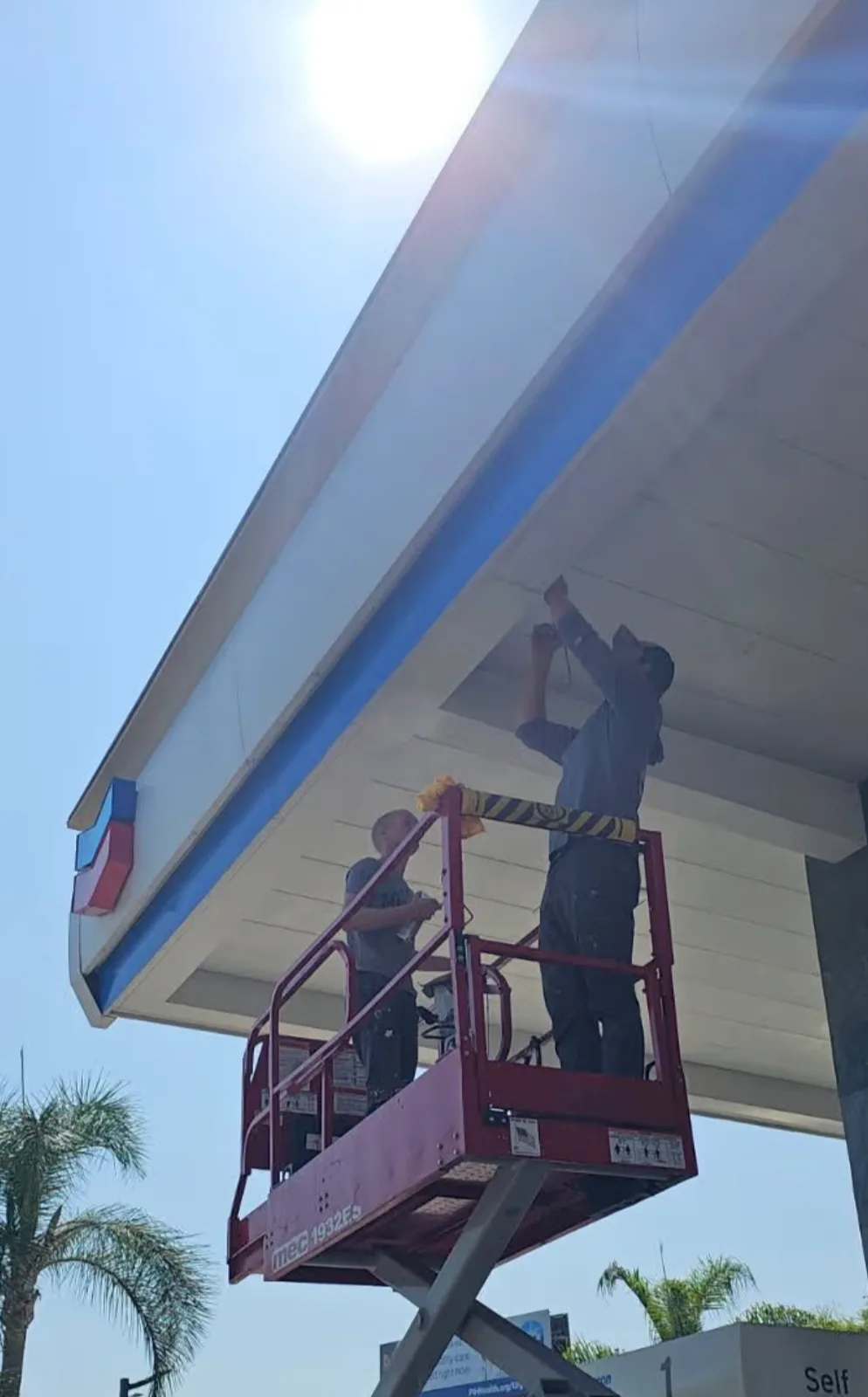
A commercial roof inspection starts with a roof walk and close attention to the areas most likely to leak. We check the roof surface first, then review edge metal and drainage before we write the scope. We inspect the areas around rooftop equipment because equipment movement can affect flashing. Small defects around pipes are easy to miss during a rushed inspection, and curb details can create the same problem. We base the recommendation on what we find on the roof, so the owner can review the scope with real inspection notes.
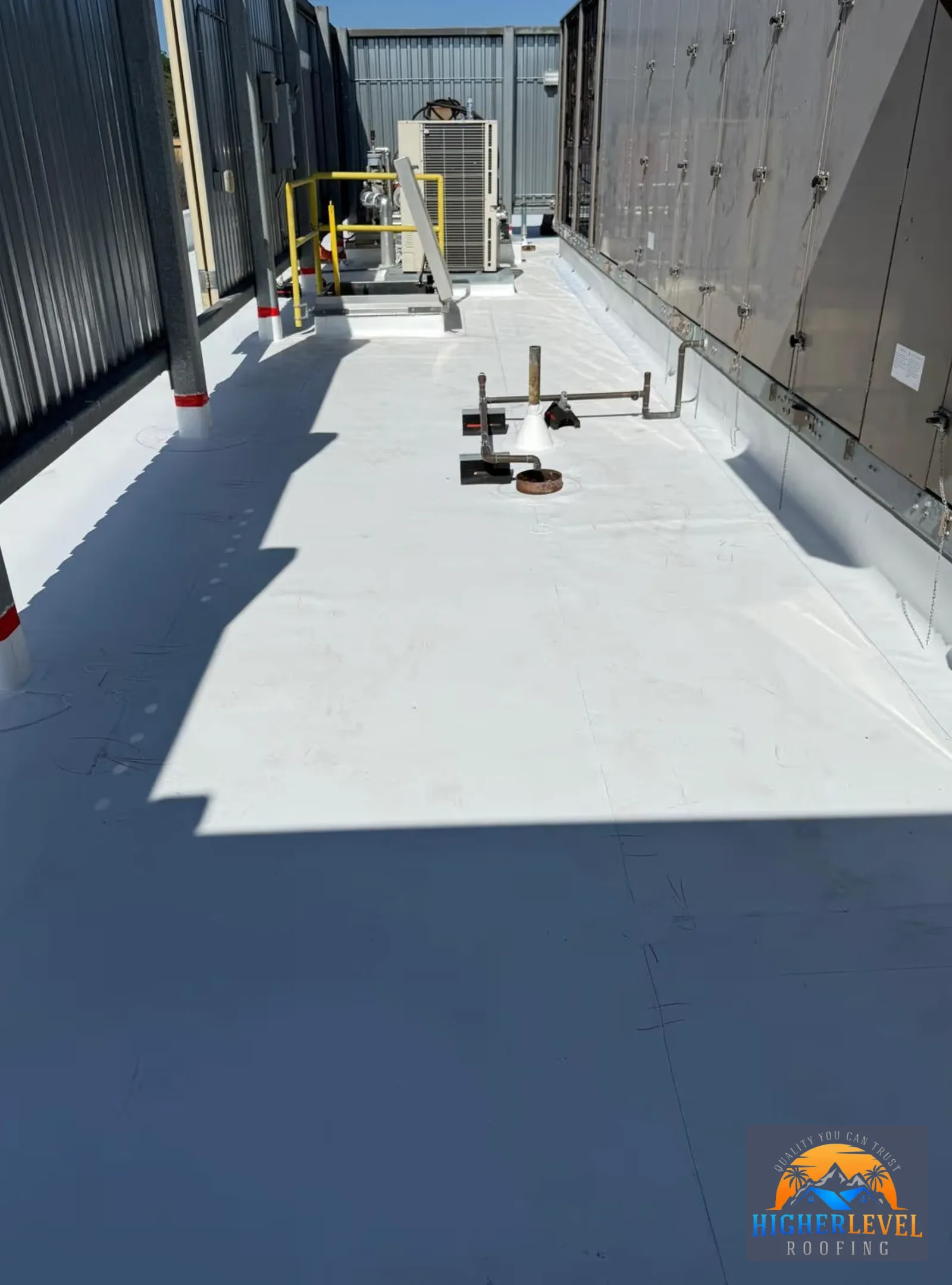
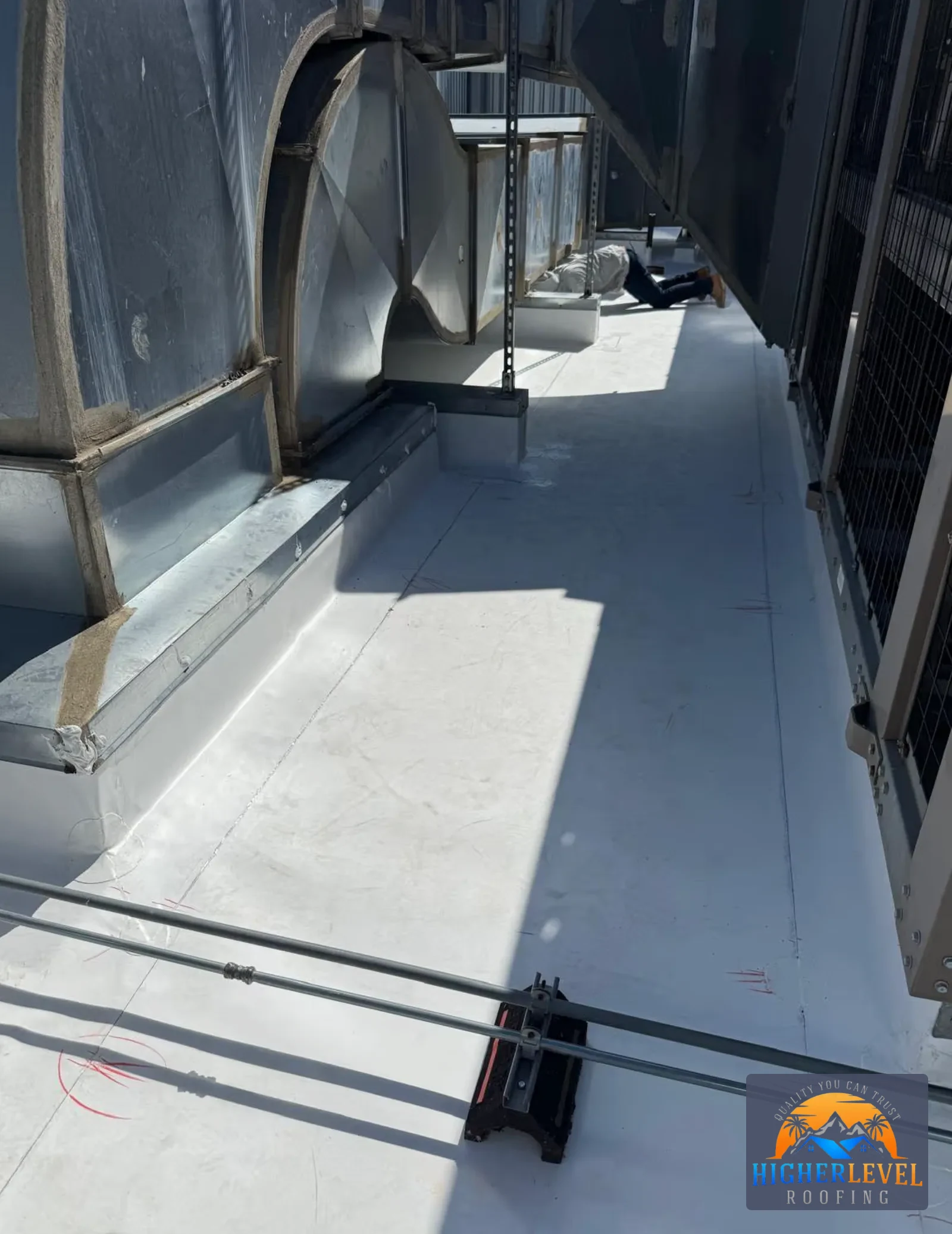
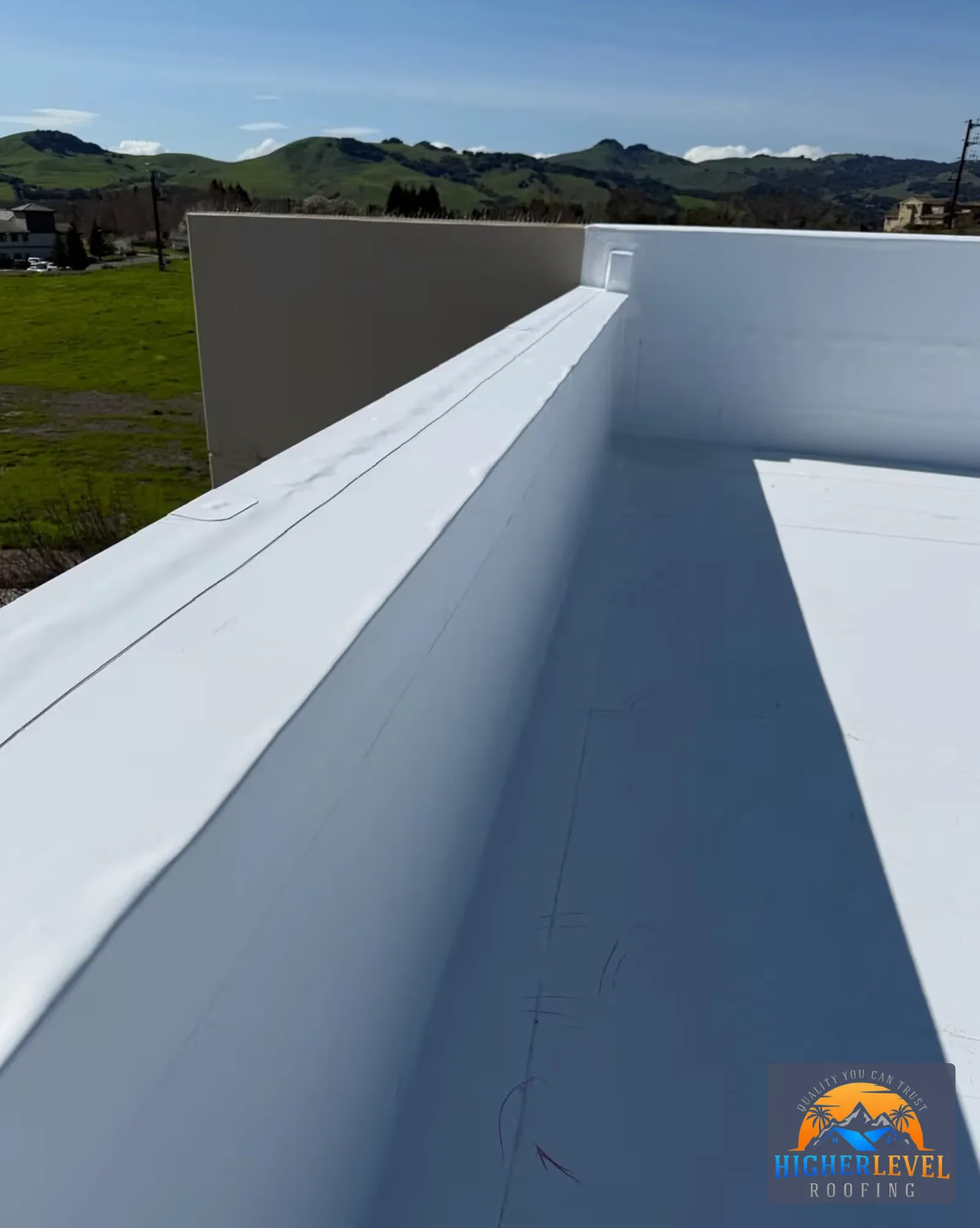
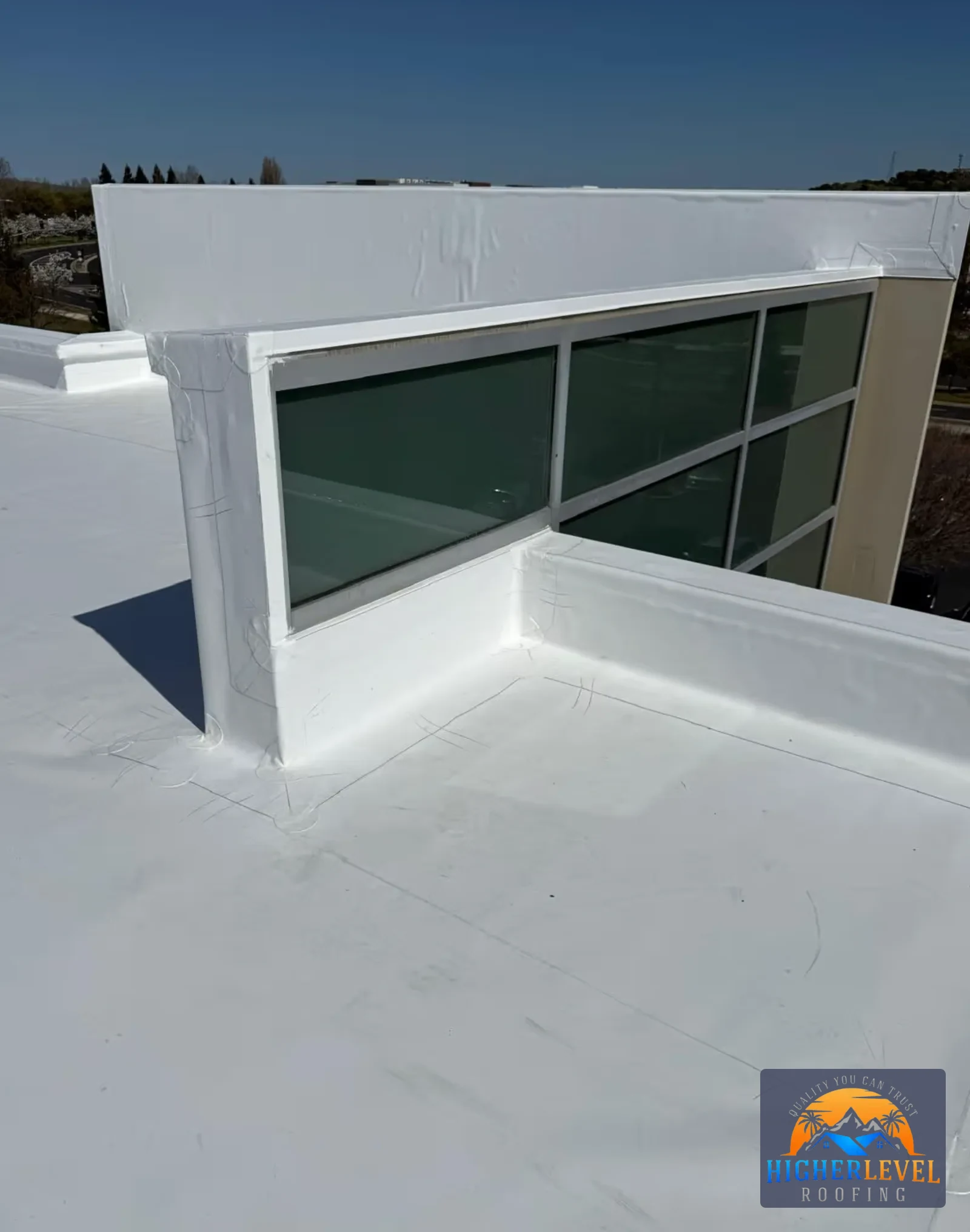
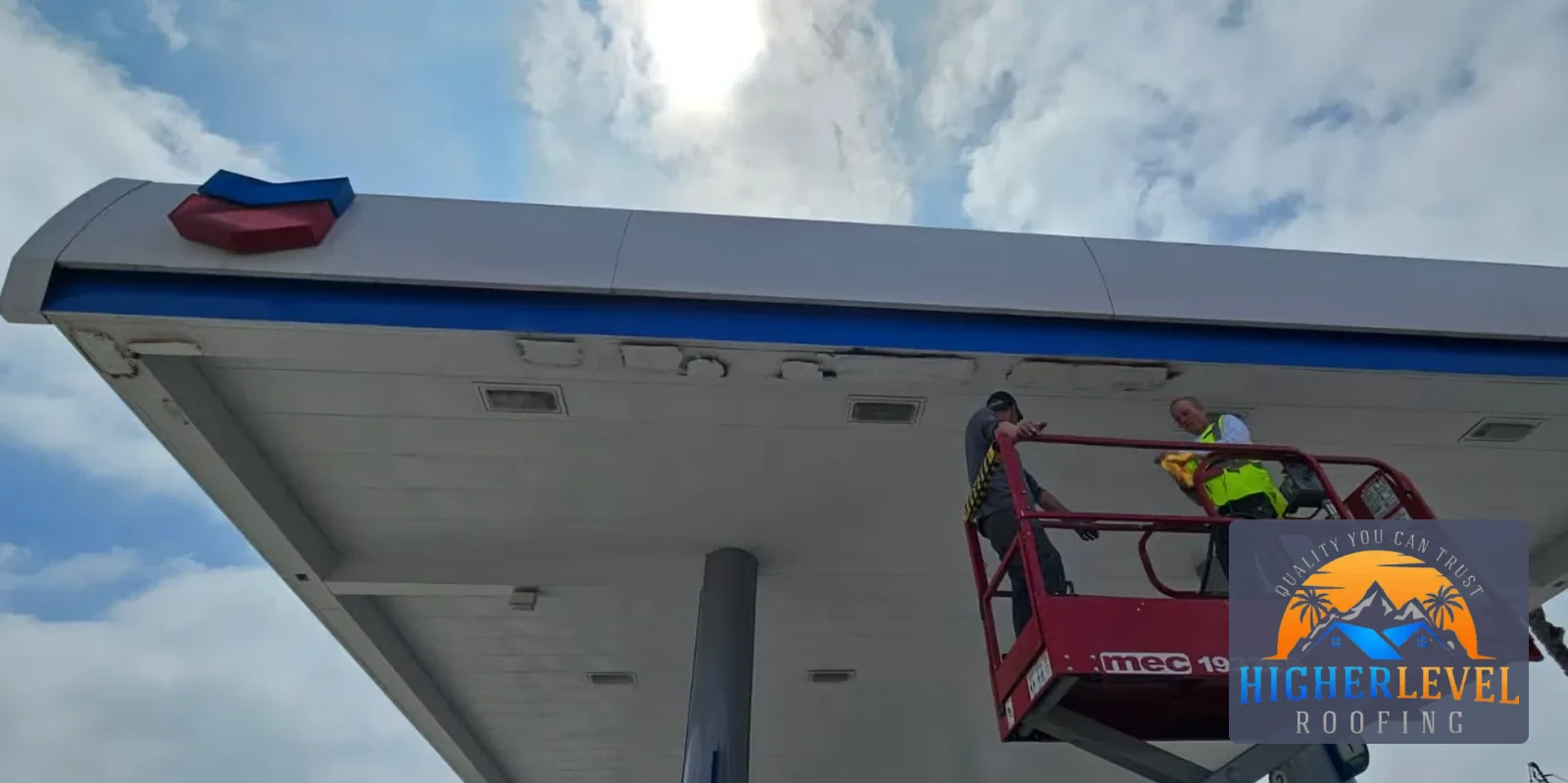
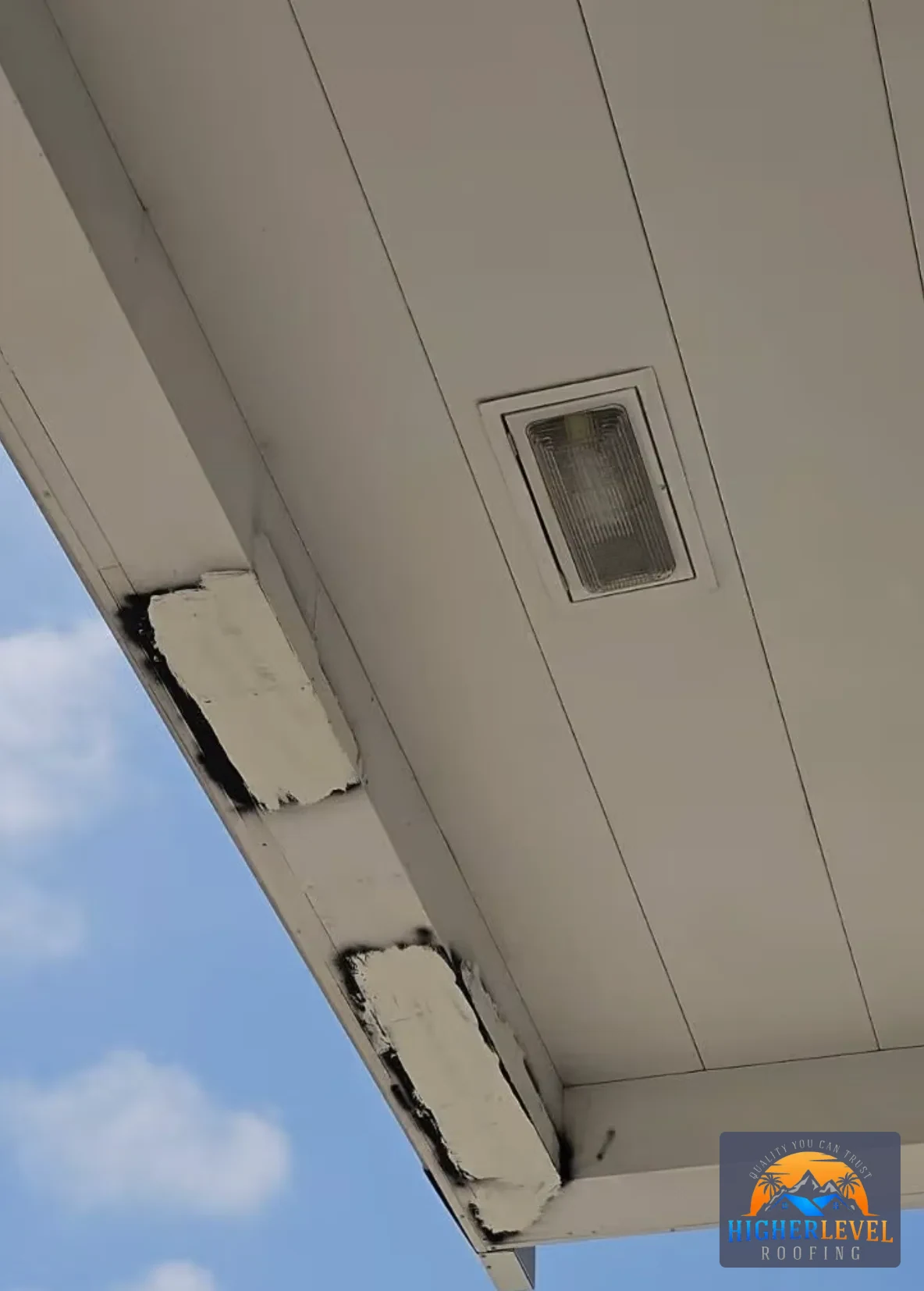
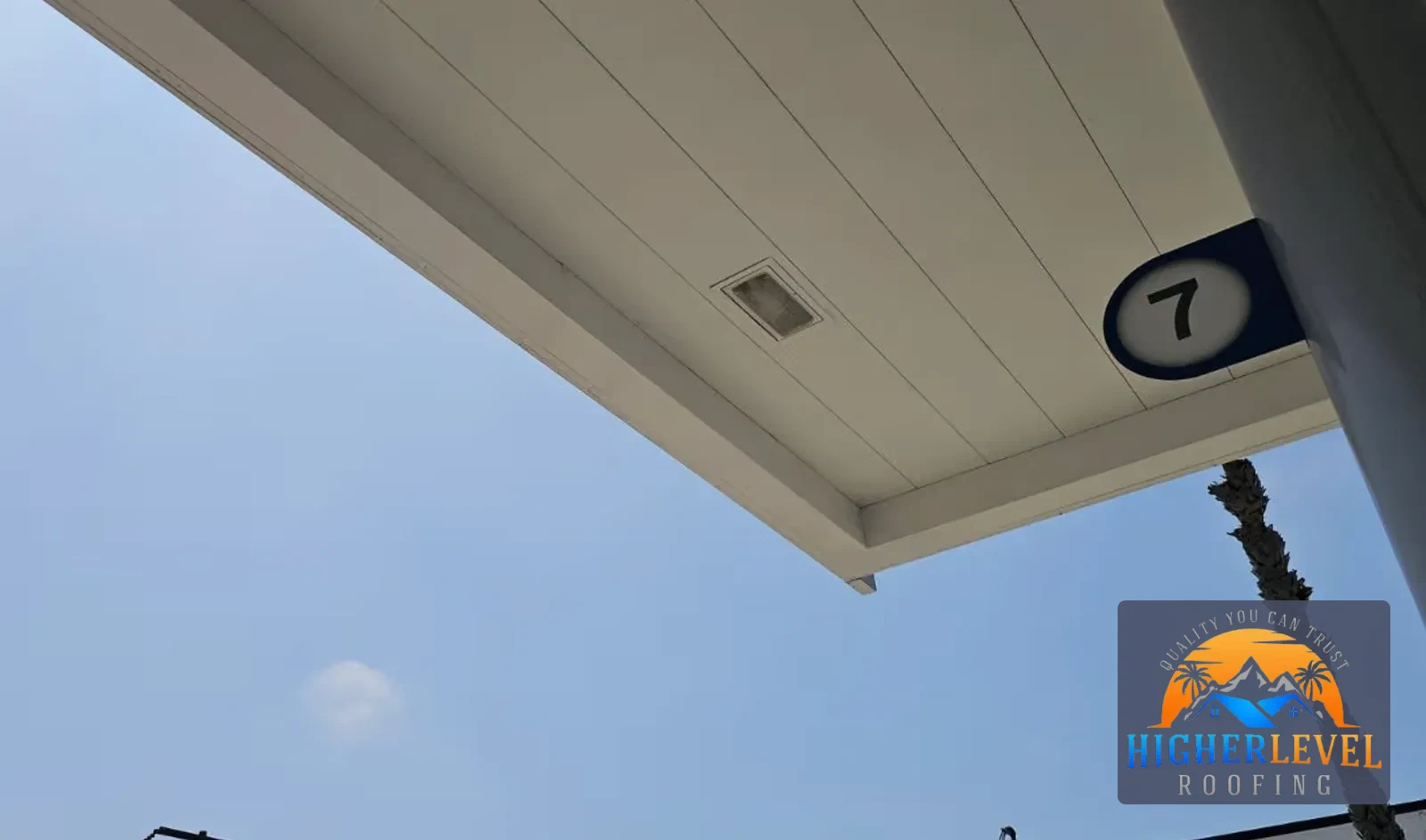
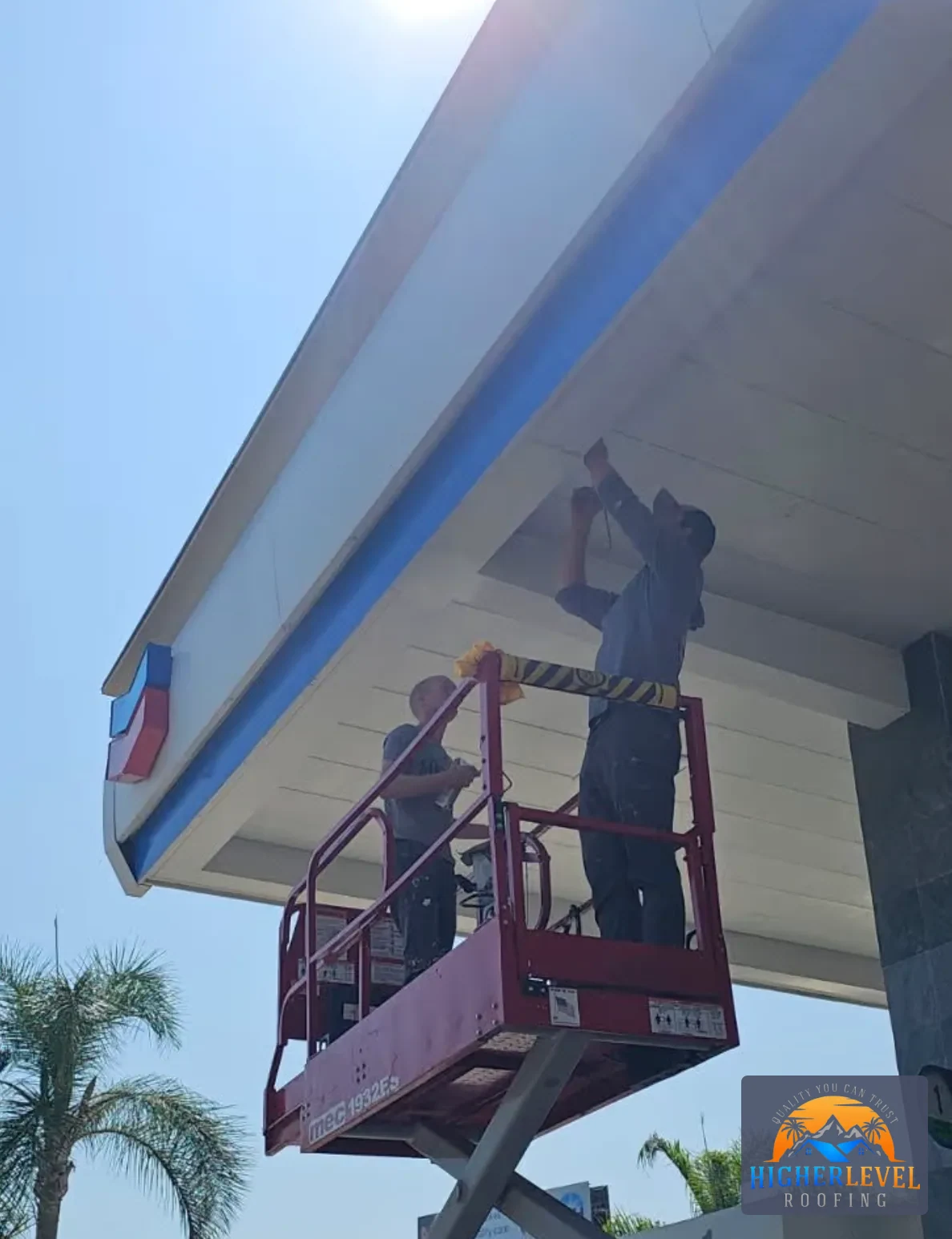
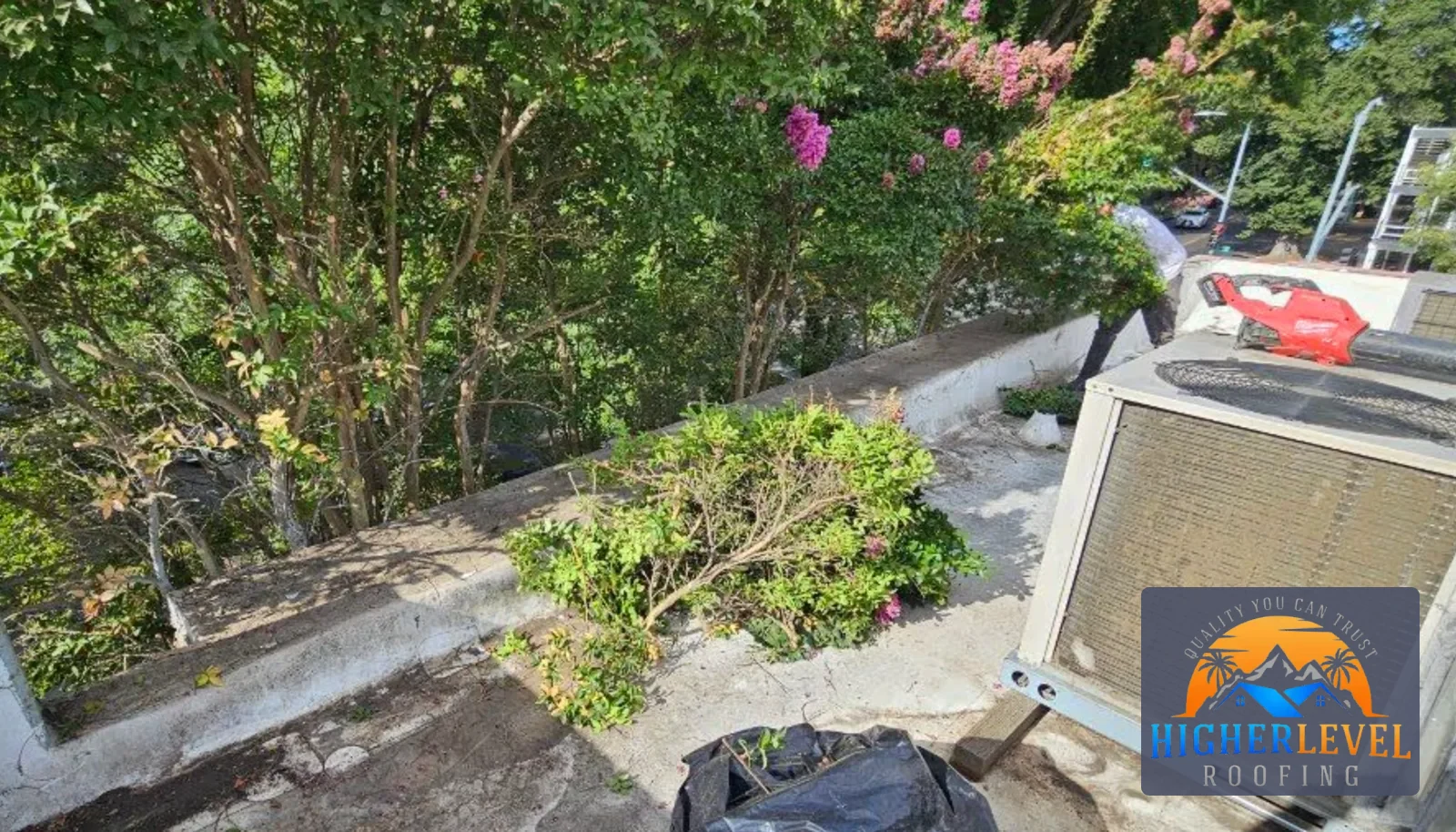
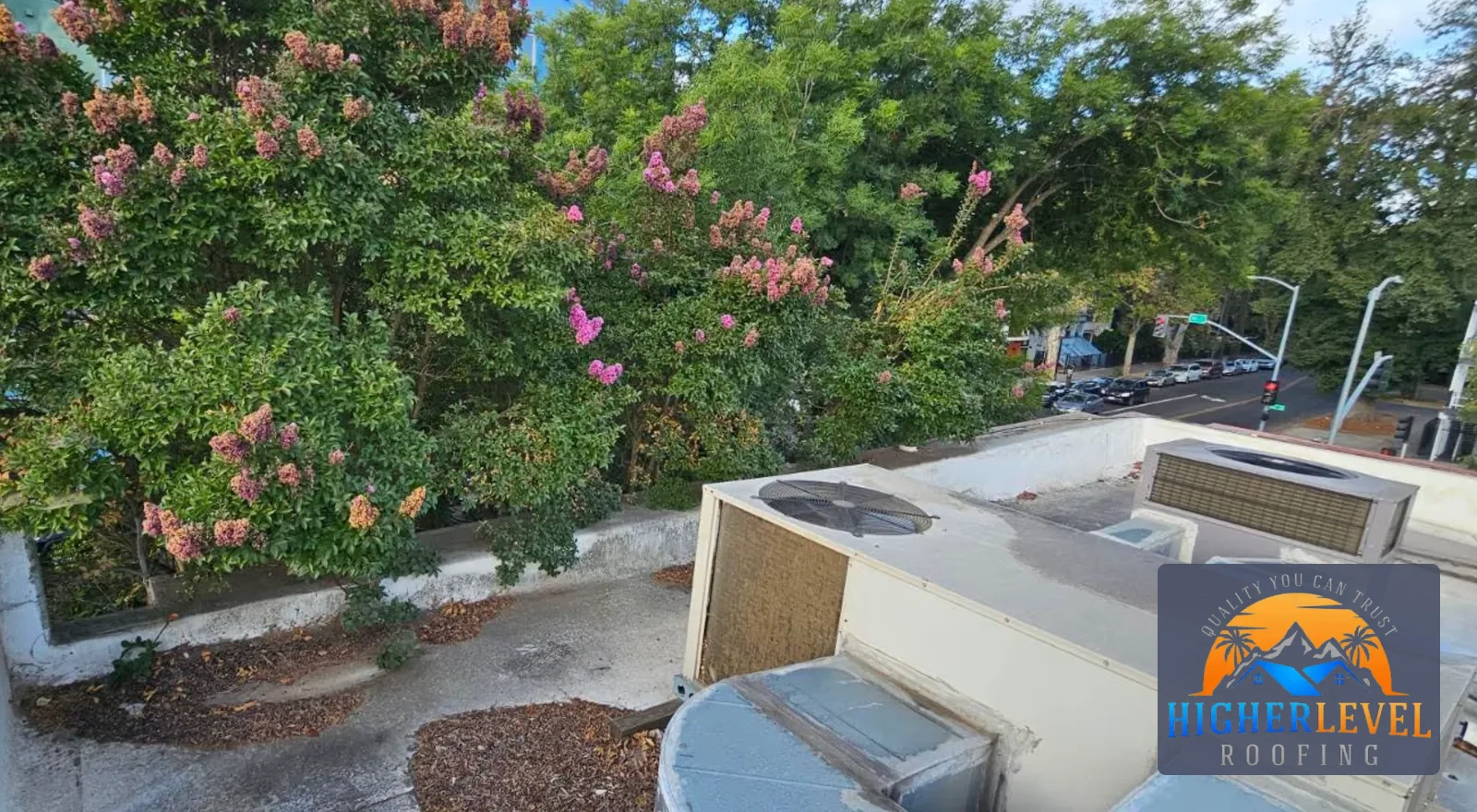
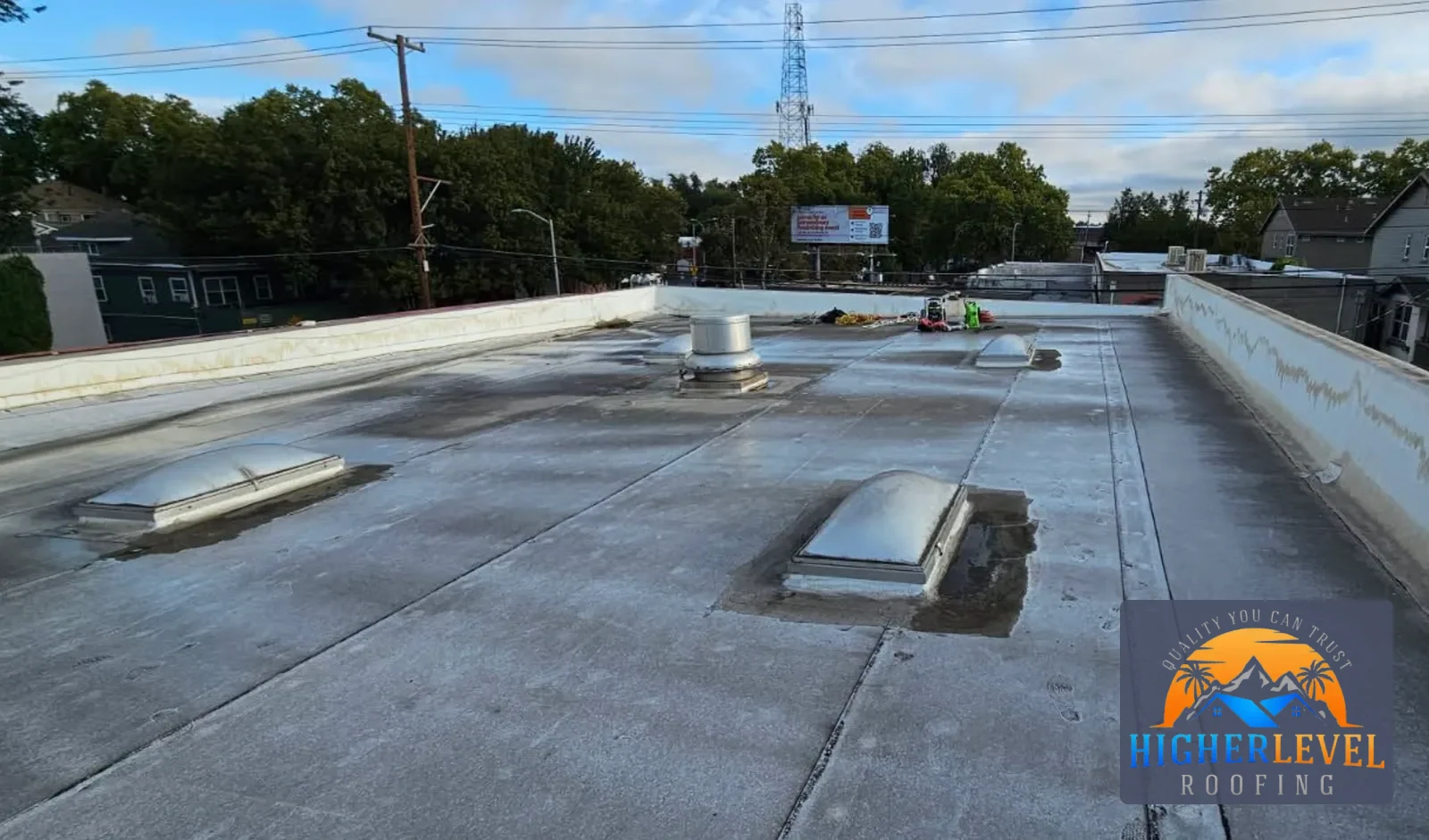
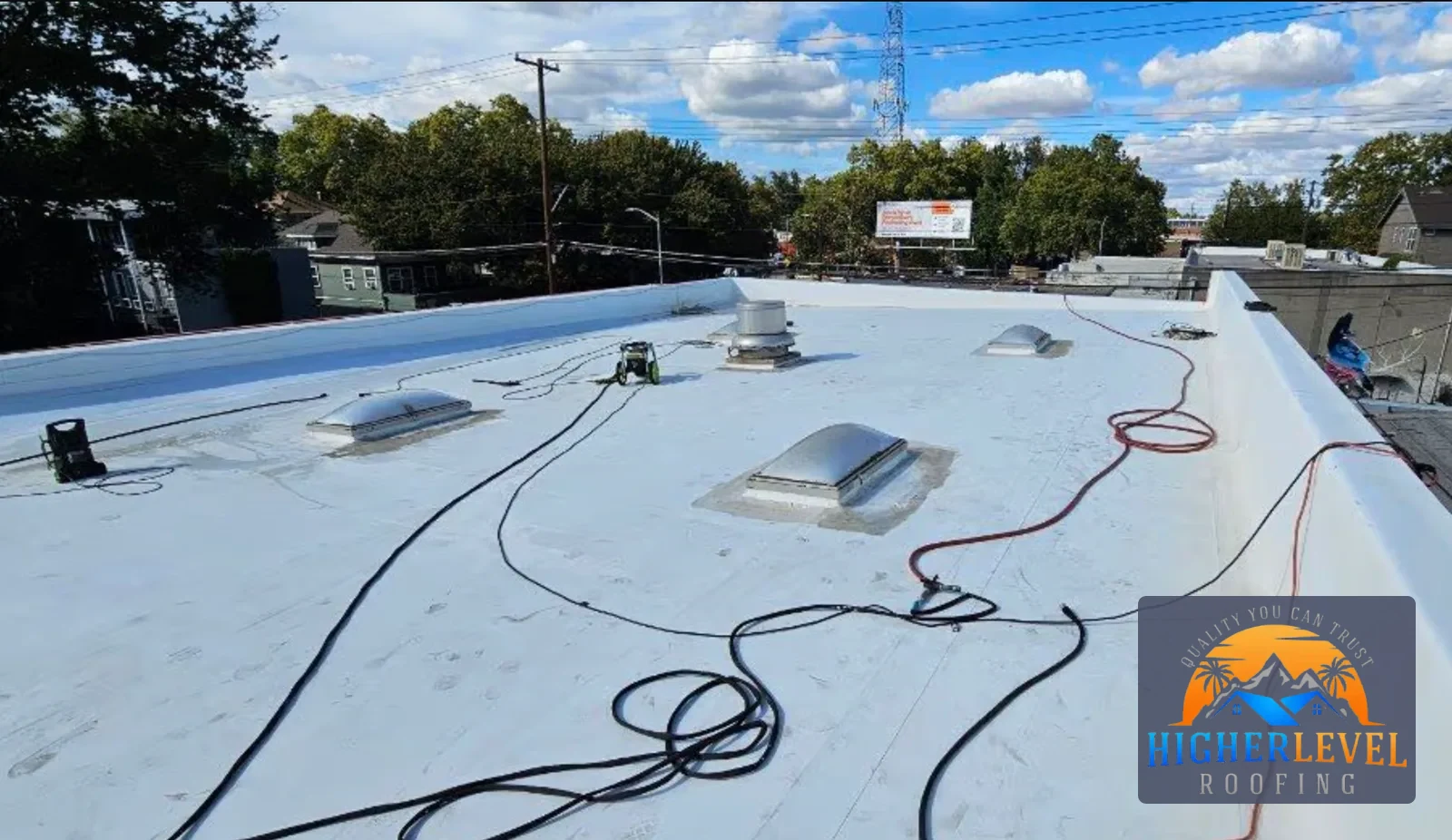
A commercial roofing contractor needs to understand how flat roof systems behave after sun exposure. Seasonal wind changes roof edges, and high heat can drive daily expansion across the roof surface. When evening temperatures drop, that movement can pull at seams or loosen flashing. Fasteners can back out over time. We pay special attention to ponding water because standing water can shorten membrane life long before a leak shows inside. Higher Level Roofing crews study roof access first, then check rooftop equipment. We check wall transitions because water can run behind the surface before it shows inside. Old patchwork often points to the original weak spot. We show the owner roof findings that match what we see during the inspection. We start the repair plan with the areas showing the highest risk, and we write the scope around what the roof needs.
A local roofing contractor can assess how commercial roofs age under the same heat cycles that the crew sees on nearby jobs. UV wear often shows up in familiar patterns. Sealant failure can show up in a similar way, especially on roof edges that take daily sun. Reflective roof surfaces can also help reduce heat load when the roof system supports that. Some buildings are not a good fit for certain approaches, so we check the roof condition. As a contractor who works in your area, we know how quickly a small opening can spread after a wind event. This is why a professional roof assessment matters more than a canned recommendation.
Our commercial roofing installers are familiar with many commercial roof types. On single-ply roofs, seam work matters more than speed because a rushed weld can shorten roof life fast. Some membranes are welded with heat, and rubber systems rely on clean seam prep. Asphalt-based systems need careful lap work at the edges, and metal roofing needs planned panel movement. Roof type and building use guide the type of roof installed. A restaurant roof may need chemical resistance near grease exhaust, and a bright white membrane can help with heat reflectivity on many low-slope roofs. Heavy roof service traffic changes the protection plan around walk paths and equipment access. Our installers pay closer attention to the edges because wind pressure works hardest there.
A leak near a tenant space can bring a major inconvenience. The first step is an inspection because the stain inside is probably far away from the water entry point. We trace how water may have traveled under the roof surface. After that, the roof condition tells us what kind of work needs to be done. A contained leak may need specific area repair, and surface wear may lead to a coating review if the roof is dry enough. When damage has spread, why maybe a larger scope is needed.
During a free estimate for commercial roofing, we ask about roof age because that history changes the inspection, and known leak history can change it too. Interior damage helps us trace the likely path of water. We check roof access so the estimate reflects the real job. Pictures show the property owner what we see on the roof, and roof notes list the areas included in the estimate. We include roof details that affect the recommendation. Insulation condition, drainage, and other factors can modify the estimate because standing water changes the roof plan. If the issue is active water entry, we may start with a focused commercial roof repair scope. The price will match the work being discussed, and we give the owner enough detail to compare next steps.
Longer roof life starts with proper maintenance. Drainage matters because standing water adds weight and pushes stress into seams. Wall tie-ins can let water enter where roof work meets siding, and masonry transitions can create similar risk. Rooftop equipment needs flashing because equipment movement loosens weak details over time. Vibration adds another concern near mechanical units. Roof performance also depends on what sits below the membrane. Rigid insulation can affect energy use and change how the roof feels inside the building, and coatings can help some aging roofs reflect heat when the roof is dry enough for that work. We repair active leaks before we talk about coating, and we address saturated insulation along with other fixes that help the roof last. If the membrane is too far gone, full roof replacement may be the better long-term plan.
Ready to talk through your commercial roofing project? Contact us. Fill out a quick form on the website, and we will have a short conversation that helps us understand the roof type and the issue you are seeing.
Yes. Higher Level Roofing provides commercial roofing in Gold River, CA. The estimate is based on the roof condition, access, material type, and the actual scope needed at the property.
Yes. Higher Level Roofing provides commercial roofing service for Gold River, CA commercial properties, including repairs and installations. We review the roof condition first. We also check roof access because many commercial buildings have locked gates and tenant activity. Rooftop equipment can affect the visit too.
Yes. We inspect the roof before scheduling the project. The estimate can include photos when they help show the issue.
Yes. We handle flat commercial roof systems, including low-slope roofs. The inspection tells us if single-ply membrane work applies. If the roof surface is dry enough, we can also review coating options. We talk through replacement when the roof condition calls for it.
Membrane type changes the repair method. Some systems are heat-welded. Rubber systems rely on seam tape and clean prep. Grease exposure can also affect which membrane is a better fit.
A coating can extend roof life when the existing roof is dry and stable enough for restoration. We clean and prepare the surface correctly. A coating should not be used as a shortcut over active leaks. We correct failed flashing first.
Ponding water adds weight and can age the roof surface faster. It may also expose weak seams. Flashing can show problems when water stays in one place.
Great owner and great business
Cody and the crew were awesome to work with! They showed up for an estimate within 24 hours and...
I hired them for a thorough inspection after the last roofing company I used caused a leak and...
Five stars for Higher Level Roofing! Cody and the team at Higher Level Roofing truly live up to...
The best roofing contractor in Sacramento! We have worked with a few roofing companies over the...
Great guys! We love Cody. We have used them a few times, and their work is great. They leave the...
Home Roofing Services
Request help with roof repairs, replacement, tile roofing, flat roofing, gutters, coatings, or a roof inspection. We will review the details and follow up with practical next steps.
Privacy choices
We and other third parties use cookies and other tracking technologies to help personalize content, to analyze and measure advertisements, to improve and protect our site, to provide chat, hosting and other services, and as further described in our Privacy Policy. By browsing our website, you consent to this use.