Why Restaurant Roofs Need Specialized Planning
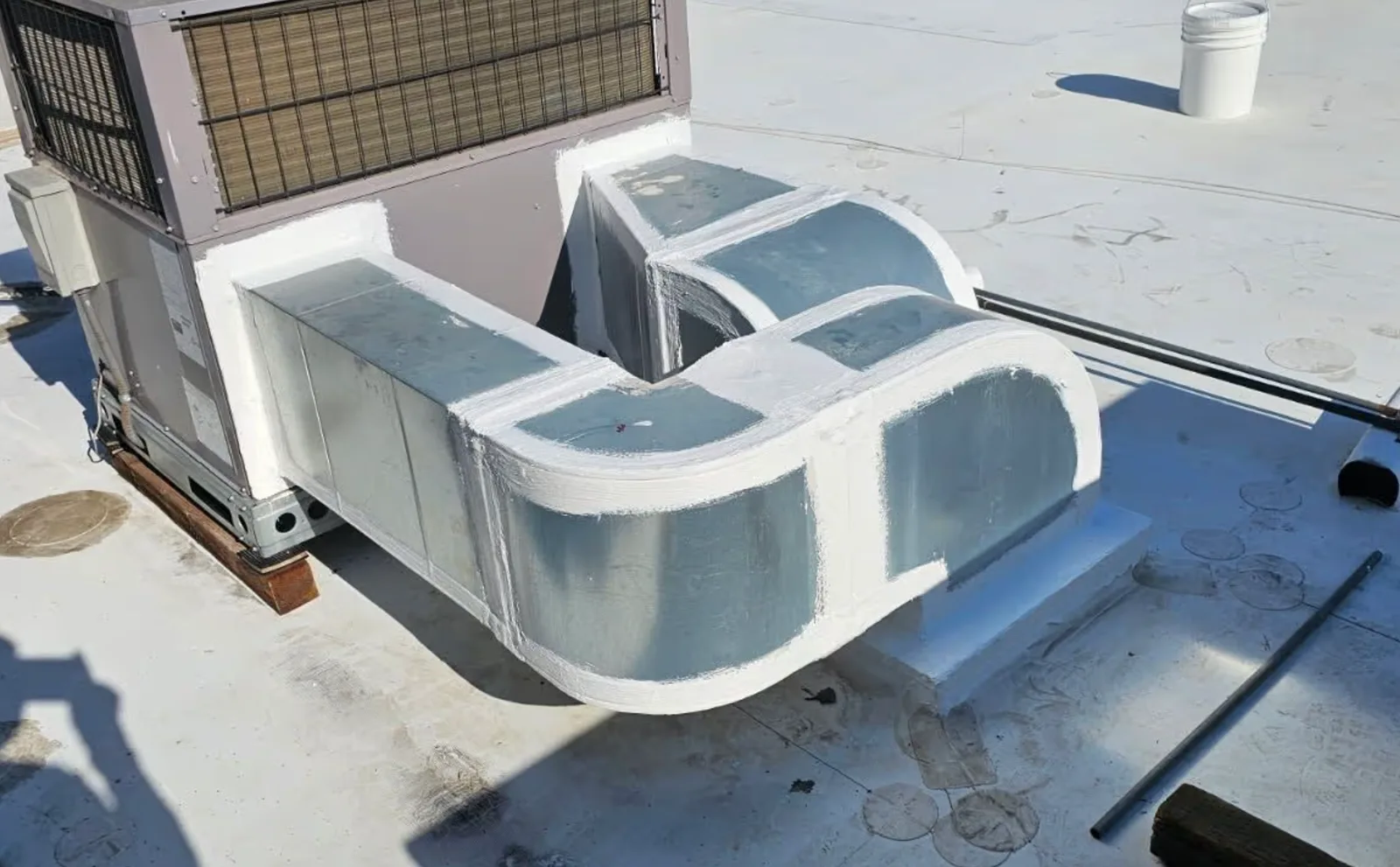
Restaurant roofs often have exhaust fans and large HVAC units. Every equipment curb creates a flashing detail. Service traffic can also damage the membrane. Long operating hours can limit roof access. The roofing plan should set a safe work zone that protects food service below.
Common Restaurant Roofing Problems
A ceiling stain may sit away from the roof opening. Water can travel along the deck before it drops indoors. The inspection must trace that path to the source.
- Failed flashing at exhaust curbs
- Ponding water near roof drains
- Cracked sealant at pipe penetrations
- Membrane punctures caused by service traffic
- Loose edge metal at the roof perimeter
- Recurring leaks above food preparation areas
- Previous patches that no longer hold through seasonal weather
Restaurant Roof Repair
A local repair can work when sound roofing surrounds the failure. The scope should name the damaged detail. It should also state how far the repair will extend. Roof access must stay clear of customer entrances. Equipment service may require help from a mechanical contractor. Photos should show the completed detail.
When Roof Replacement May Be the Better Investment
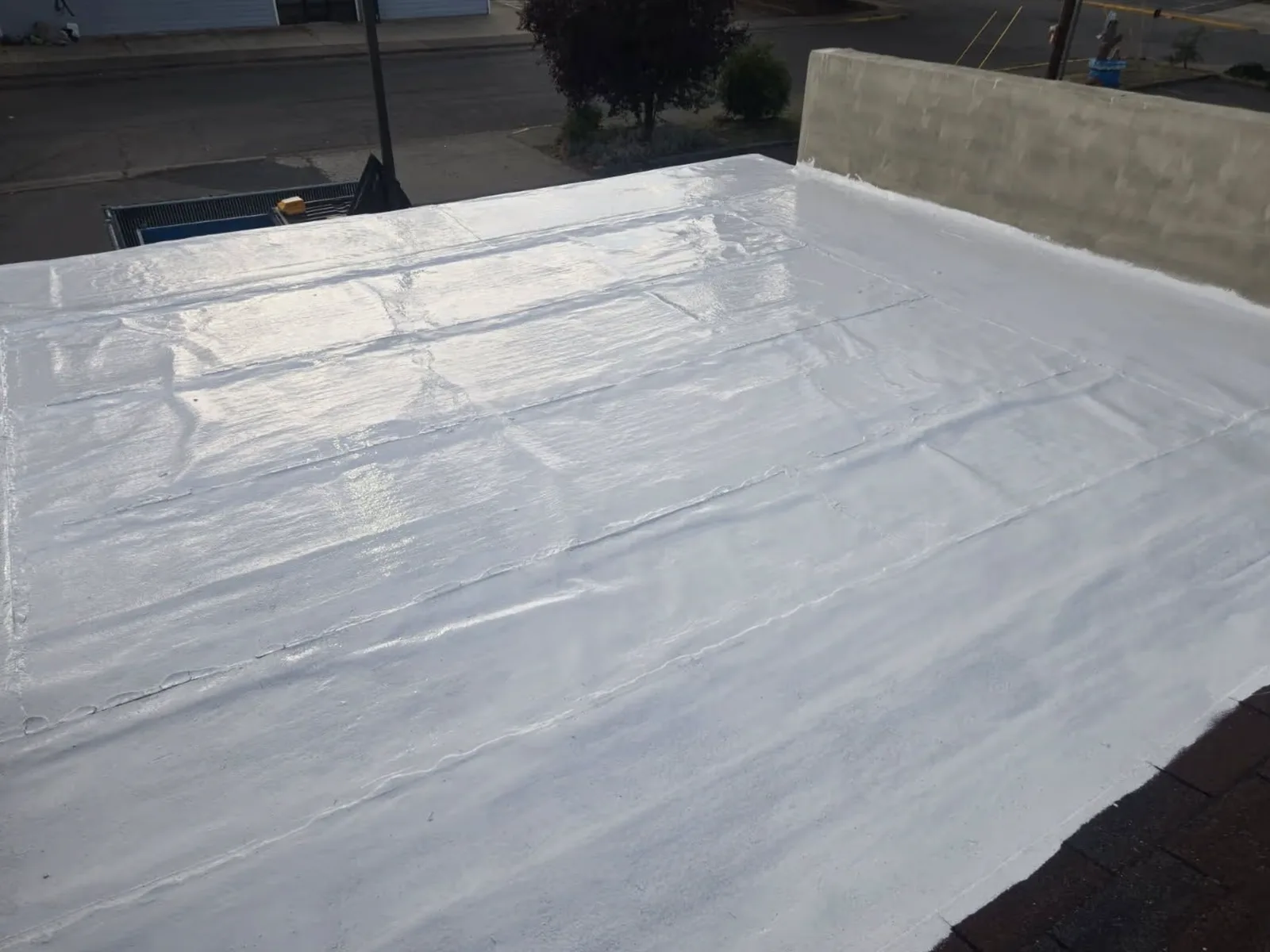
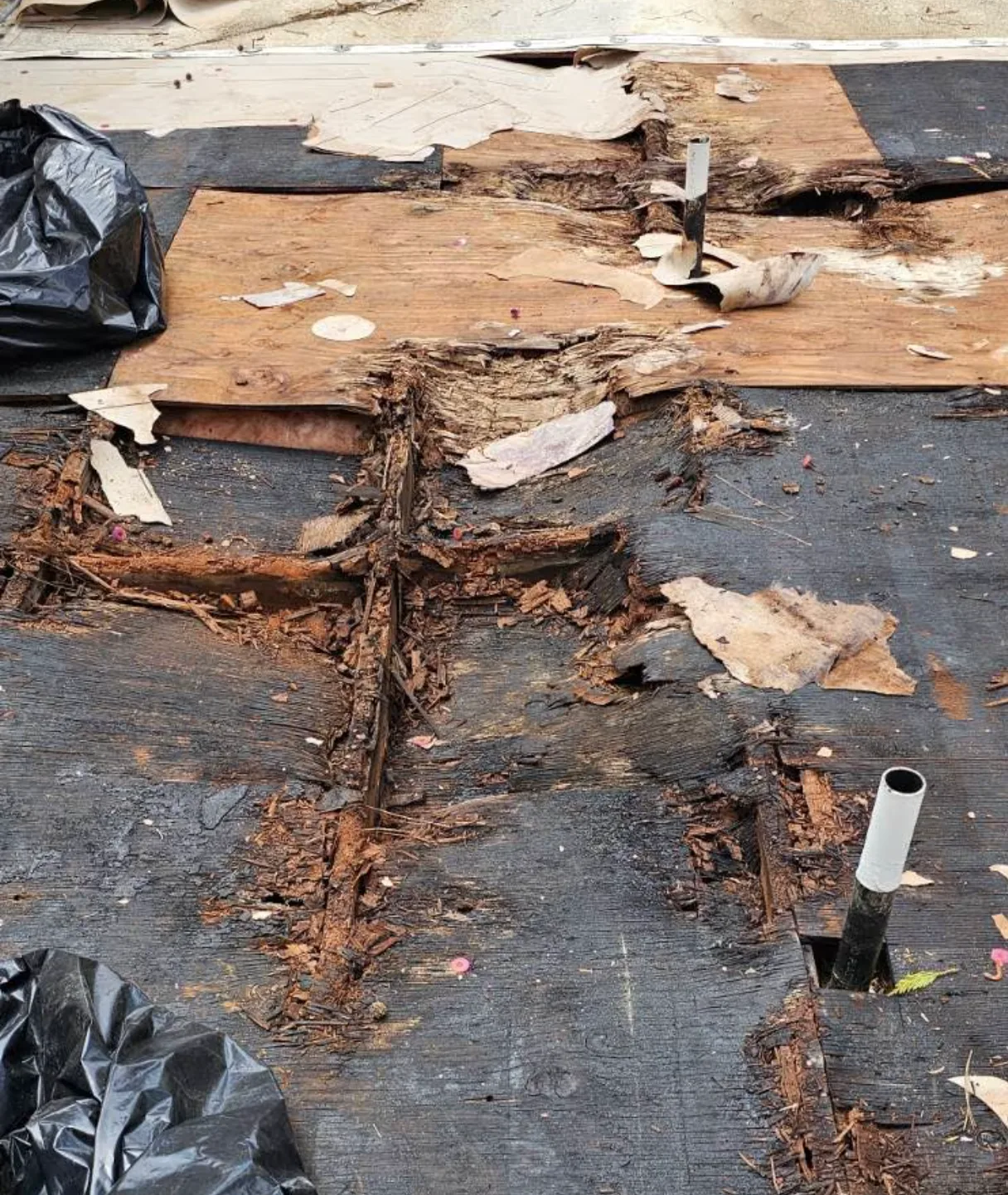
Leaks across separate roof areas can point toward replacement. Wet insulation is another strong sign. A roof core can help confirm the extent of moisture. Roof slope and deck condition guide the system choice. Tapered insulation may improve drainage. The final recommendation should follow the site inspection.
Planning Work Around Restaurant Operations
Material staging needs a defined location. Delivery access should remain open. Noisy work may fit better outside peak dining hours. Higher Level Roofing documents the roof condition and explains the proposed scope, and the restaurant contact receives clear project updates.