What are the different types of commercial roofs?
Commercial roofs come in several system types, each suited to different building designs, budgets, slope requirements, and performance needs. Common commercial roofing systems include:
- Built-Up Roofing (BUR): Multiple layers of roofing felt, asphalt, tar, or gravel that create a durable, sealed roof surface.
- Modified Bitumen Roofing: Similar to BUR, but reinforced with fiberglass or polyester layers for added strength and flexibility.
- Single-Ply Roofing: Flexible membrane systems installed in one layer, including thermoset membranes like EPDM and thermoplastic options like TPO or PVC.
- Metal Roofing: Roof panels or metal tiles known for durability, long service life, and strong weather resistance.
- Green Roofs: Sustainable roof systems that support vegetation and can help with insulation, stormwater control, and heat reduction.
- Spray Polyurethane Foam (SPF) Roofing: A liquid-applied material that expands into foam, forming a continuous protective layer across the roof.
How much does commercial roofing cost?
The cost of commercial roofing depends on the roofing material, roof size, installation complexity, labor needs, access conditions, and the current condition of the existing roof. Because commercial roofing projects can vary widely, it is best to request a quote from our team so we can provide an estimate based on the building's specific needs.
How much does it cost to replace a commercial roof?
Commercial roof replacement costs depend on the existing roofing system, the material selected for the new roof, the extent of the damage, and labor requirements. By scheduling a consultation with our roofing experts, we can inspect the roof and provide a quote for replacing your commercial roof.
Why are commercial roof repairs important?
Timely commercial roof repairs help extend the life of the roof. By addressing minor issues early, businesses can prevent them from turning into larger, more expensive problems. A well-maintained roof can also support better insulation, reduce the risk of leaks and mold growth, protect building occupants, and help avoid disruptions to daily business operations.
What's the best way to maintain a commercial roof?
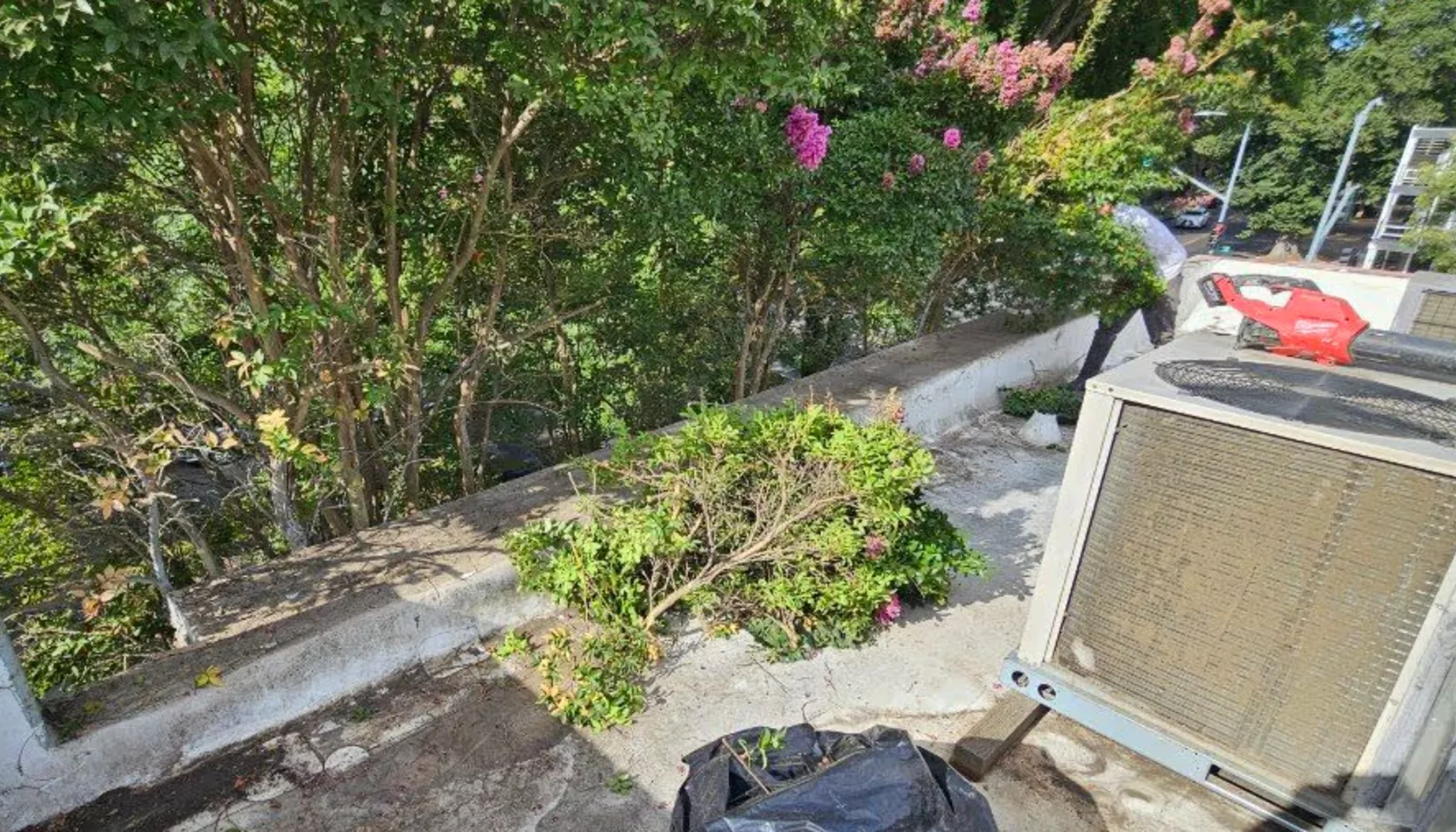
The best way to maintain a commercial roof is to schedule regular roof inspections so potential problems can be found and addressed early. Debris such as leaves and branches should be cleared to help prevent blockages and damage. Any signs of wear, punctures, open seams, or other damage should be repaired promptly to support the roof's longevity.
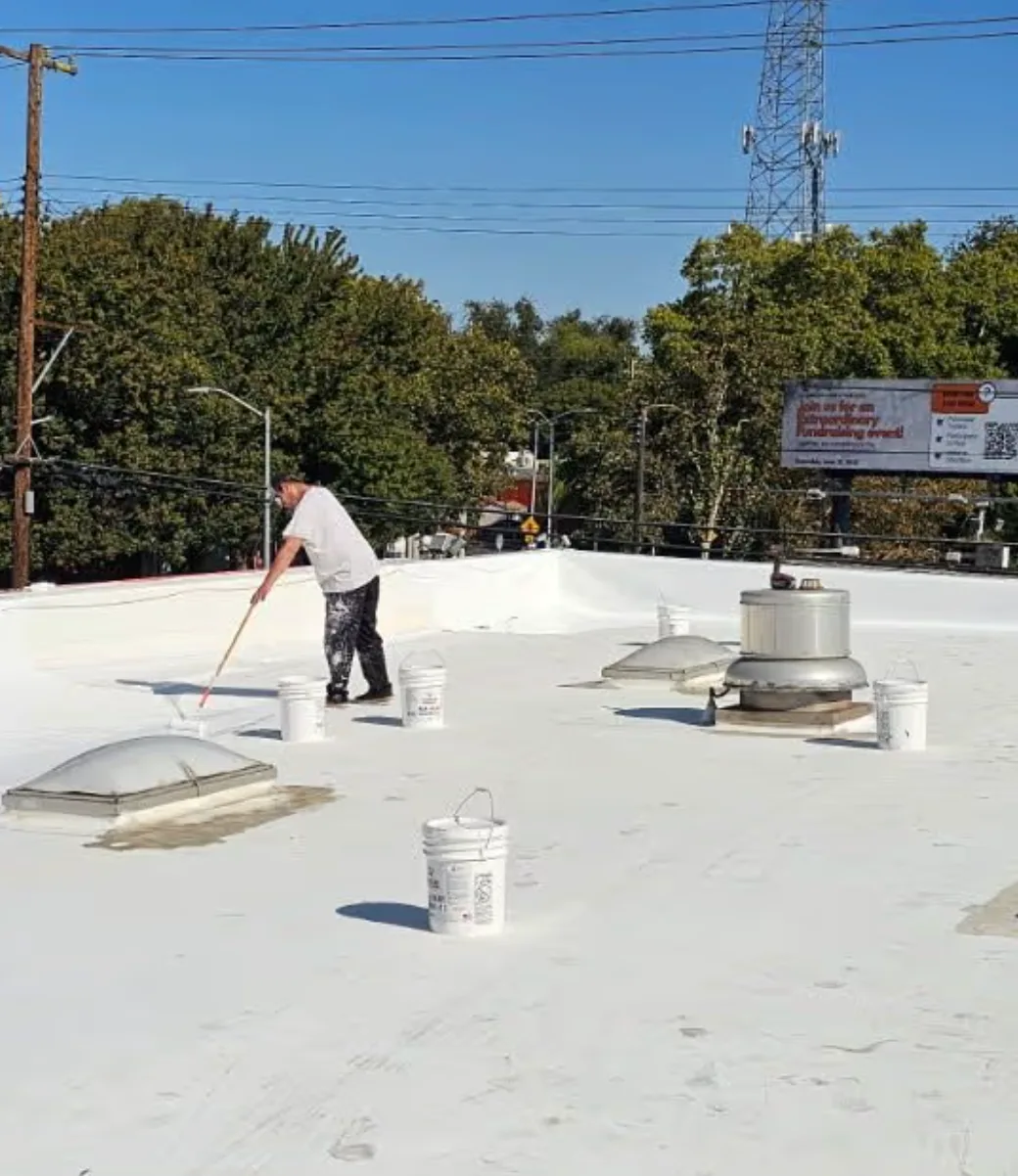
Proper drainage is also essential, especially for flat roofing systems. Drains, scuppers, gutters, and downspouts should be checked to reduce the risk of standing water. Depending on the roof system, protective roof coatings may also need to be reapplied periodically to improve protection against sun, rain, and weather exposure.
What's the reason for commercial buildings having flat roofs?
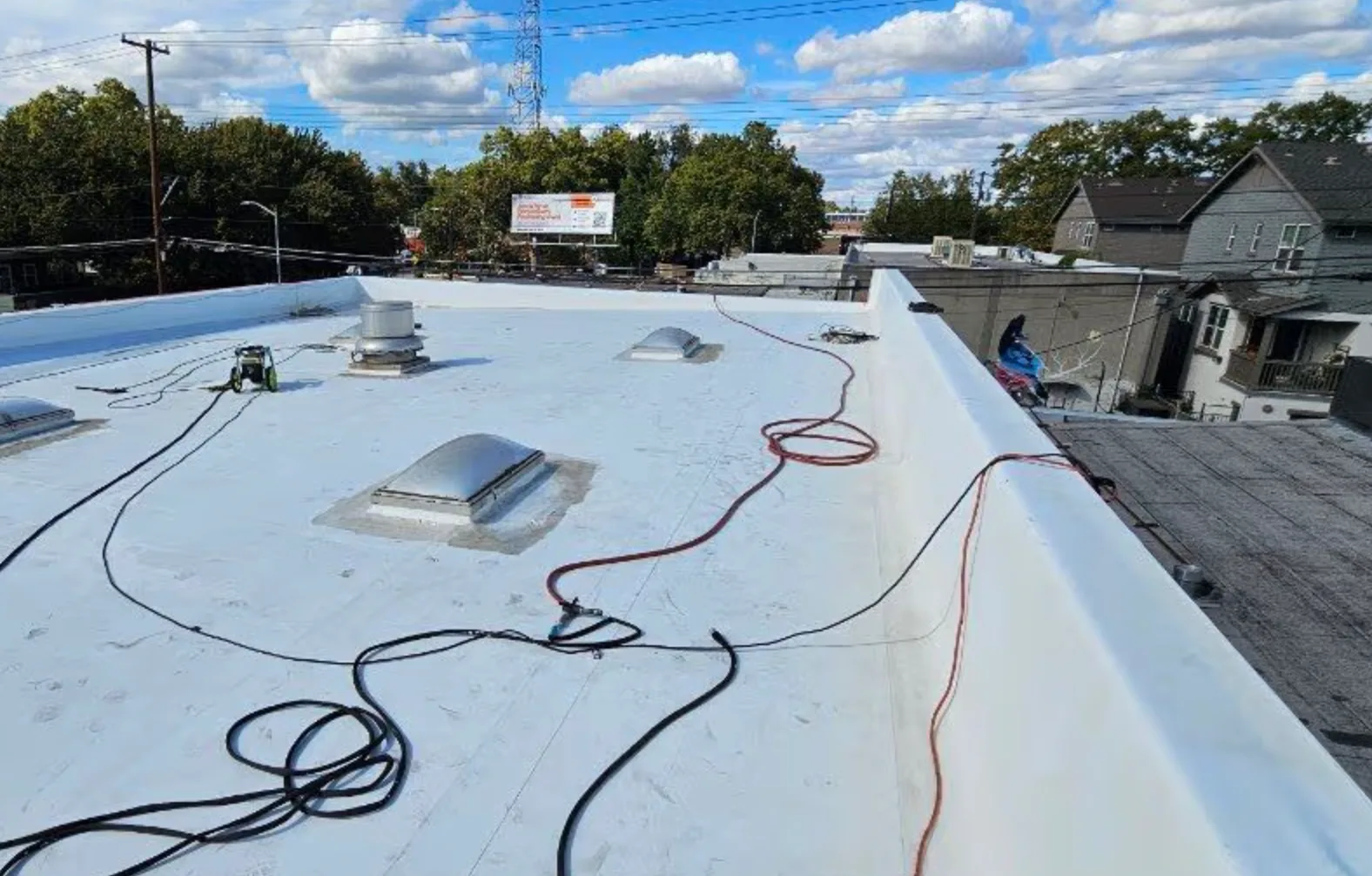
Flat roofs are common on commercial buildings because they offer practical advantages for larger structures. They make efficient use of space by allowing HVAC units and other rooftop equipment to be placed above the building instead of taking up ground-level room. Flat roof systems are also often more cost-effective to install and maintain than steep-slope systems.
Their design provides flexibility for covering large roof areas, which makes them well suited for expansive commercial properties. Flat roofs are also easier to access, which can make maintenance, inspections, and commercial roof repairs more straightforward compared to many sloped roofs.
What questions should I ask a commercial roofing contractor?
When hiring a commercial roofing contractor, ask questions that help you understand their experience, process, materials, and approach to unexpected issues. Helpful questions include:
- How many years of experience do you have with commercial roofing projects?
- Can you provide references, project examples, or case studies?
- What roofing materials do you recommend for this building, and why?
- Do you carry insurance and the necessary licenses?
- How do you handle unexpected complications or added costs during the project?
What is the life expectancy of a metal roof?
When properly maintained, a metal roof can last 40 to 70 years, making it one of the longer-lasting commercial roofing materials.
What is roof flashing?
Roof flashing is a thin material, usually metal, installed to help keep water from entering the building at joints, transitions, and intersections such as chimneys, vents, walls, roof edges, and other penetrations. Damaged or poorly sealed flashing is a common reason to schedule commercial roof repairs.
What is the best material for a flat roof?
There is no one-size-fits-all answer, but popular flat roof materials include PVC, TPO, EPDM, modified bitumen, and built-up roofing. The best material depends on the building's requirements, regional climate, roof use, and budget.
How do green roofs stack up against traditional roofs?
Green roofs can offer several advantages compared to traditional roofing systems. Environmentally, they can help reduce heat from the building and support improved air quality. From an energy standpoint, green roofs provide added insulation, which may help reduce heating and cooling costs.
They can also help extend the roof's service life by protecting the underlying membrane from UV exposure and physical damage. Aesthetically, green roofs can improve the appearance of a building and may even be designed as usable outdoor space. However, they often have a higher initial cost and require more specialized maintenance than conventional commercial roofing systems.
Can a new roof help with heating and cooling?
Yes, a new roof can help with heating and cooling. Modern roofing materials and roof designs can improve insulation, reduce winter heat loss, and reflect summer solar heat. This can lower energy use, make interior spaces more comfortable, and help reduce energy bills. Proper installation and material selection, including cool roofing and reflective roof coating options, are important for maximizing these benefits.
What is the most energy efficient roof?
The most energy-efficient roofing materials often include cool roof options that reflect sunlight and absorb less heat. Common choices include cool metal roofing, solar-reflective shingles, and white TPO or PVC roofing. Green roofs can provide insulation benefits, while natural materials such as clay and slate tile offer inherent thermal resistance. The ideal material depends on the climate, roof design, building use, and budget.
Which commercial roof type is recommended for NorCal?
For many Northern California commercial buildings, reflective single-ply roofing systems such as TPO or PVC are strong options because they perform well on low-slope roofs and can help reduce heat absorption during hot summers. Roof coatings can also be a practical choice when the existing roof is a good candidate for restoration instead of full replacement.
The best roof type depends on the building's slope, drainage, foot traffic, rooftop equipment, budget, and the condition of the current roof. In some cases, metal roofing or built-up roofing may be a better fit. A professional inspection is the best way to match the roof system to the building and local climate.