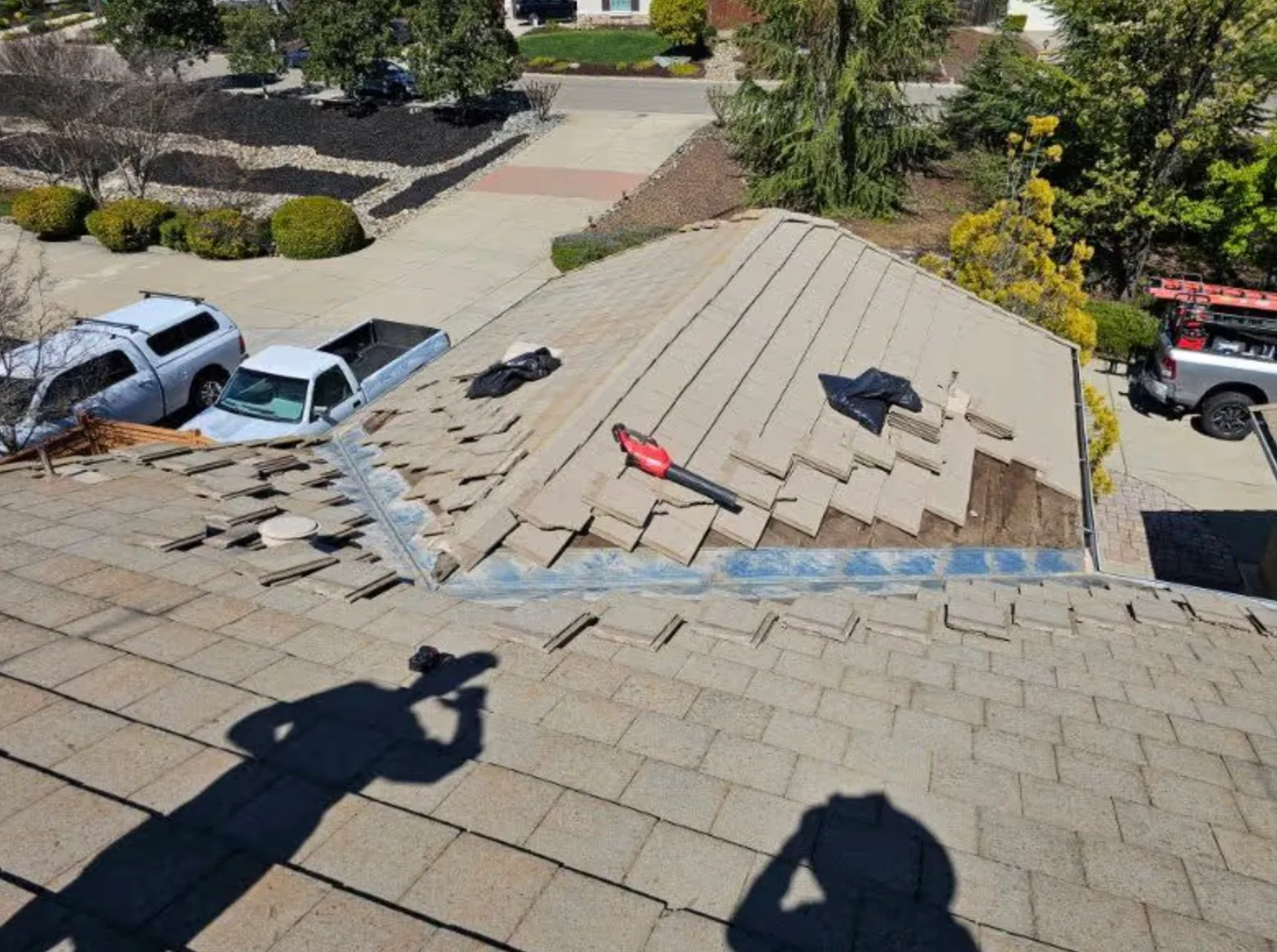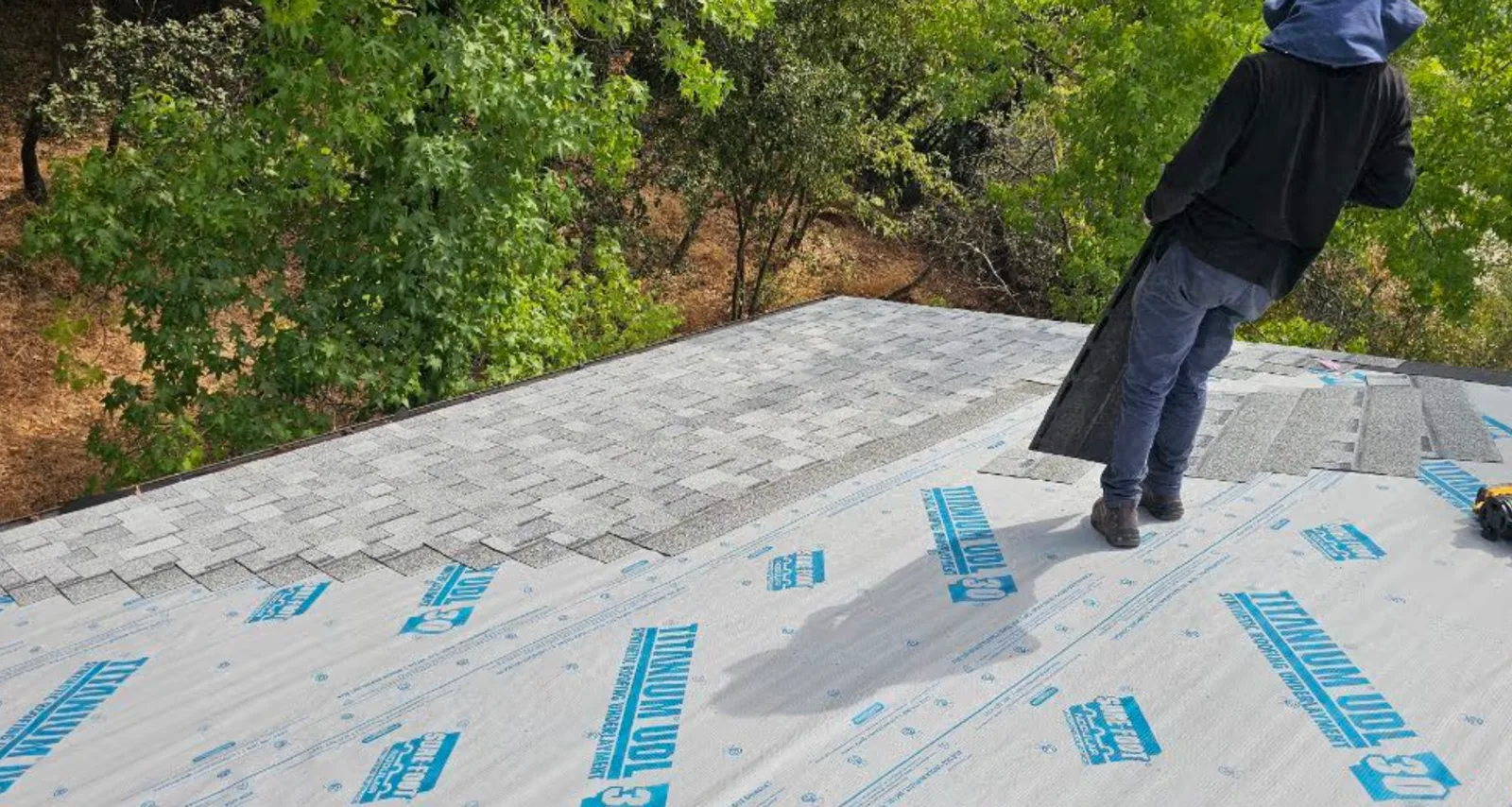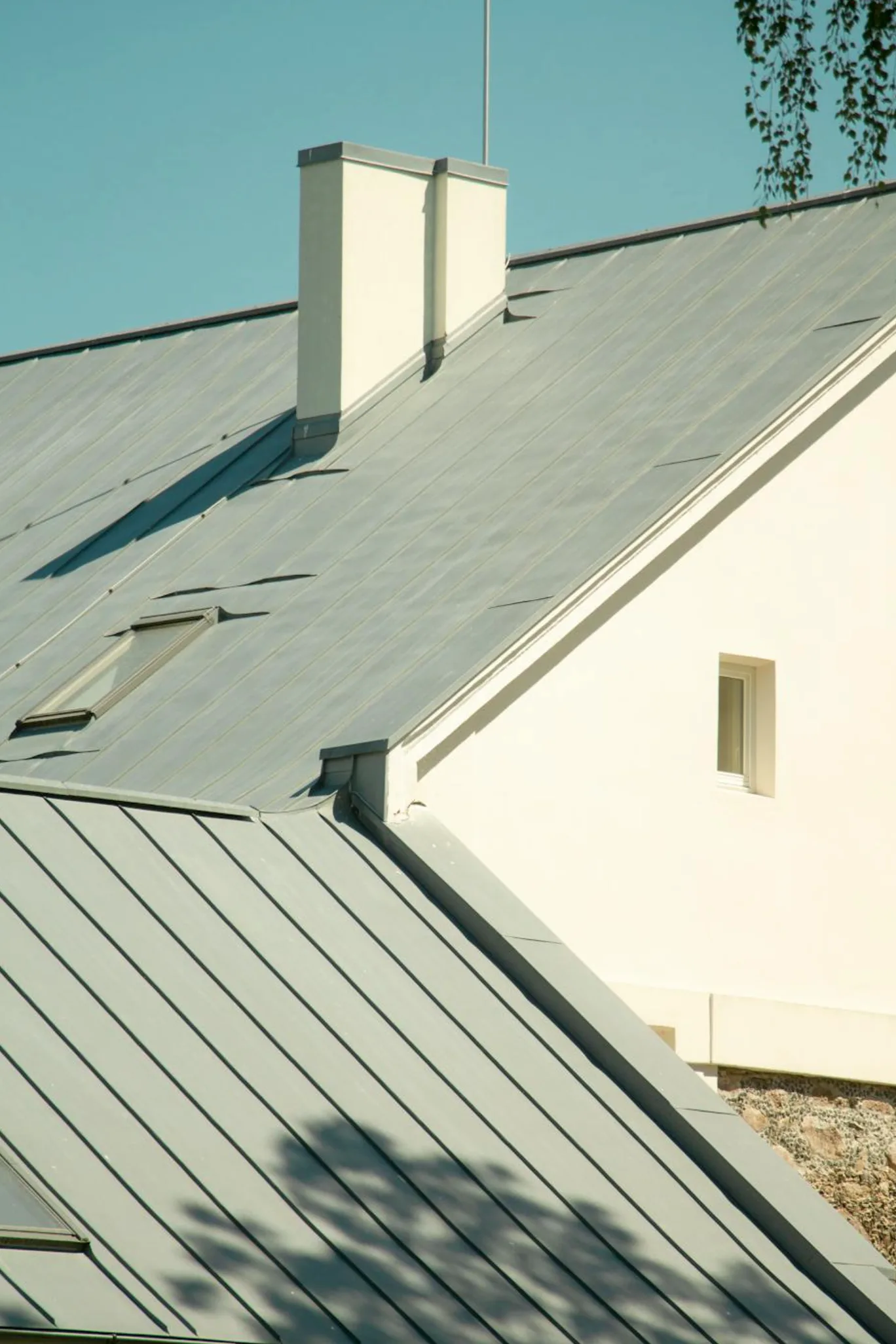
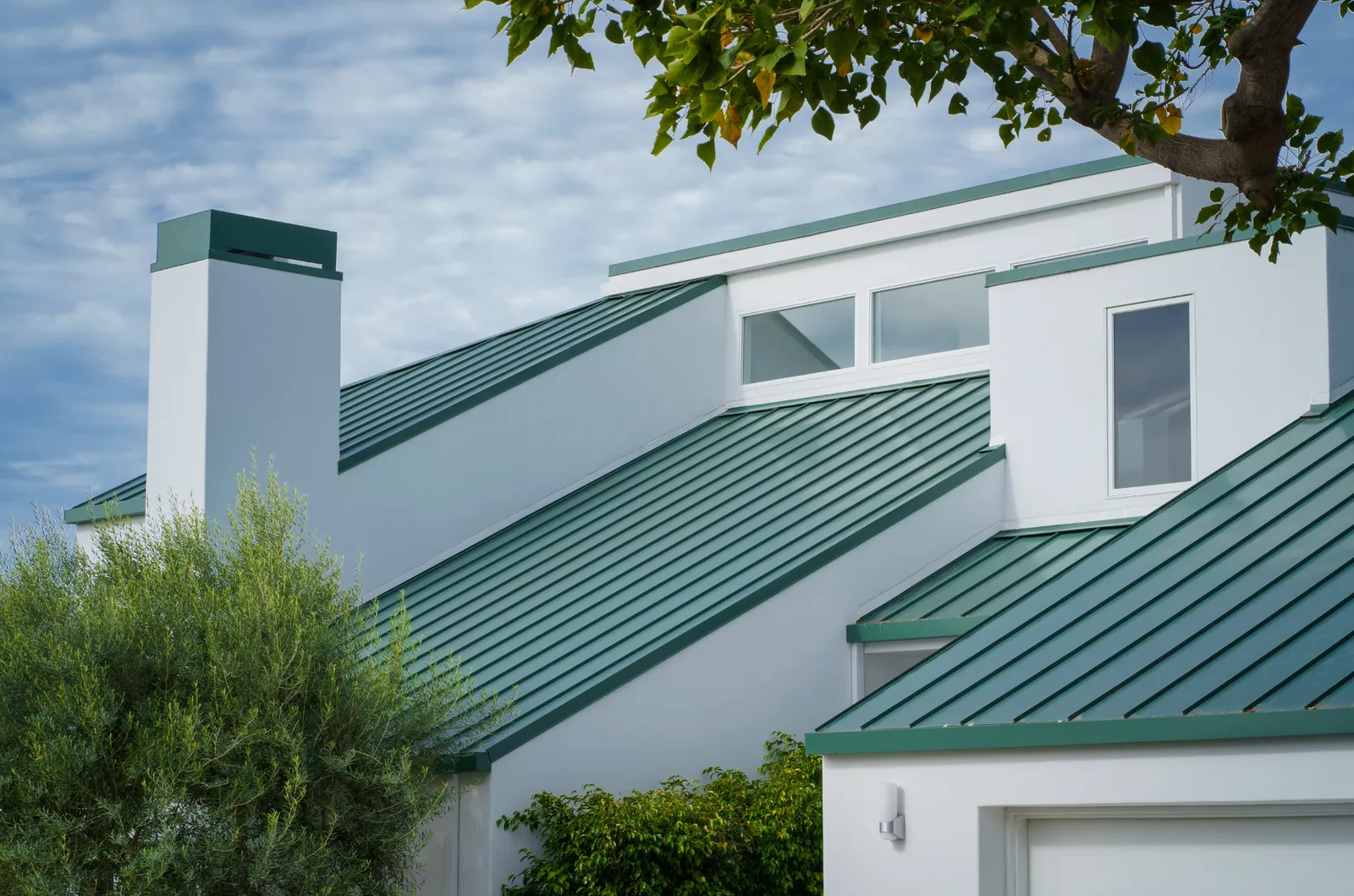
That first estimate can create a little sticker shock when roofing bids are sitting side by side. Western States Metal Roofing's 2026 cost guide notes that metal has a higher out-of-pocket cost than asphalt shingles and lists broad installed ranges of about $10 to $16 per square foot for standing seam and $7 to $12 for corrugated metal roofing. Those numbers are a starting point, not a Bay Area or Sacramento quote. Roof pitch, tear-off work, decking repairs, access, panel style, metal thickness, finish, and labor can move the final number north or south, it really depends. A simple ranch and a two-story home are two different stories as far as estimates go.
Why does metal roofing cost more?
Metal roofing is not just shiny panels and a box of screws. The metal roofing system includes panels, underlayment, trim, flashing, fasteners or clips, ventilation details, sealants, and careful work around roof openings.
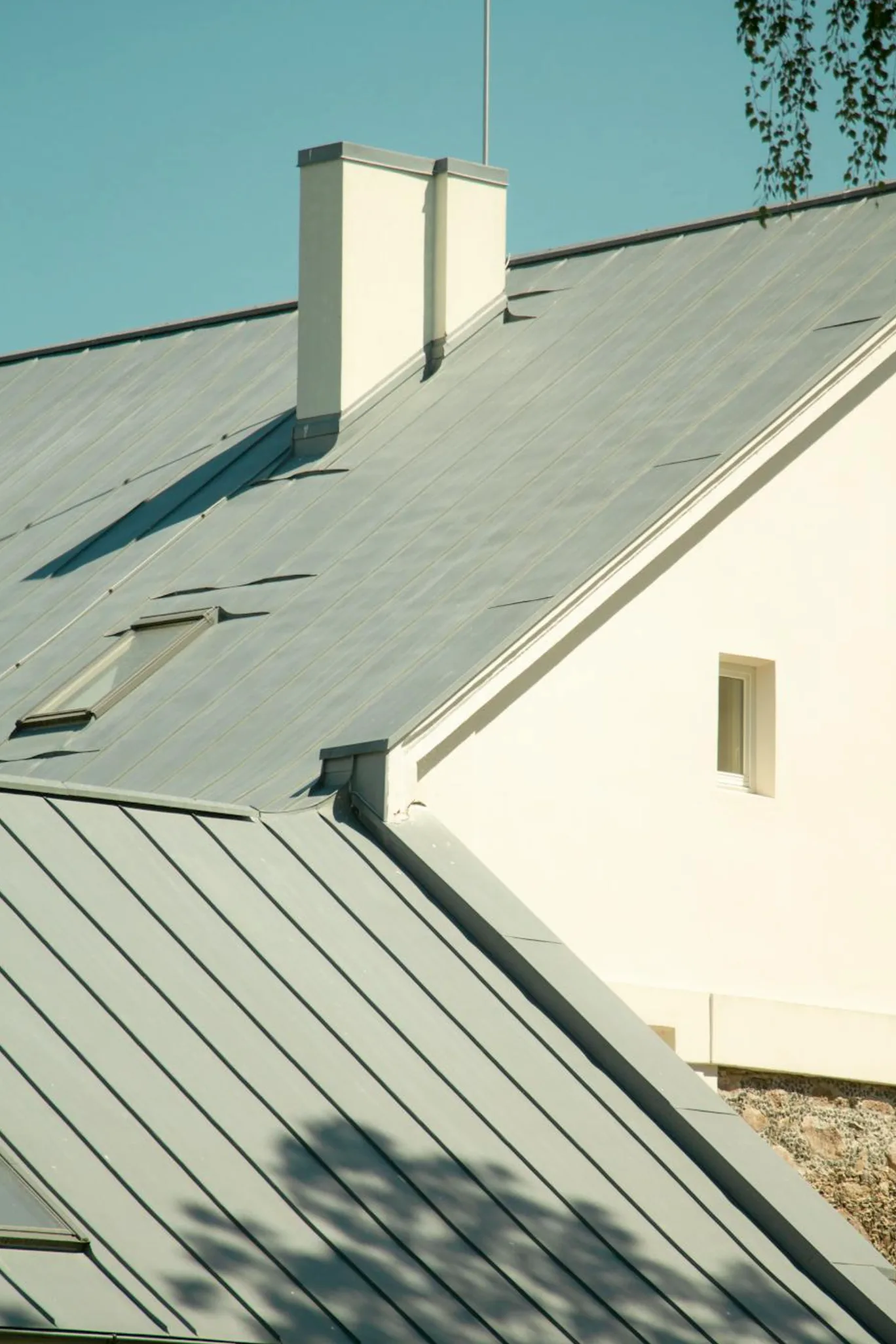
Standing seam systems can also require specialized installation. Panels need room for normal expansion and contraction as temperatures change, and details around eaves, ridges, penetrations and walls. Comparing prices without comparing the actual system can be like comparing a pickup to a compact car because both have four tires.
Is a metal roof worth the higher upfront price?
It can be, especially for homeowners planning to stay long enough to care about long-term performance. We are talking 40 to 75 years. Calculate the value monthly over that time and it is no longer that expensive, given that you may replace three or four asphalt shingle roofs in the same period. The better question is not simply, "Which roof is cheapest today?" but "What am I getting for the price, and does this system fit my house?"
A metal roof may make sense when you value a clean modern look and a roofing system designed for long service. If the main goal is the lowest possible replacement cost right now, another roofing material may fit the budget better. Getting an apples-to-apples estimate is the right approach. Compare the panel system, metal gauge, finish, underlayment, flashing scope, ventilation work, tear-off, deck repairs, warranties, and what the contractor includes.
What should Bay Area and Sacramento homeowners ask before buying?
Before choosing a metal roof, ask your roofing contractor:
- What metal roofing system and gauge are you recommending, and why?
- How will you handle valleys, vents, skylights, chimneys, wall transitions, and panel movement?
- What underlayment, flashing, ventilation, tear-off, disposal, permits, and cleanup are included?
- What product and workmanship warranties apply?
A clear proposal will make the roofing job easier to understand. If two bids are far apart, compare the scope before assuming one contractor is simply expensive.
Is installation a bigger concern than the metal itself?
In many cases, yes. A quality panel can perform poorly if installed incorrectly.
Leaks around flashing, poorly placed fasteners, bad transitions, or improper allowances for panel movement are installation problems, not proof that metal roofing is bad. Choosing an experienced metal roofing contractor matters as much as choosing the panel color that looks best from the curb.
For Northern California homeowners, the installer should understand local conditions. Sacramento roofs face long stretches of summer heat, while Bay Area homes may see marine air, wind, shade, moisture, and temperature differences between nearby communities.
What other concerns do homeowners have about metal roofs?
Cost gets the most attention, but homeowners have other practical questions:
- Noise: Rain can sound louder on some metal roof assemblies, but the roof deck, attic, insulation, and underlayment affect what you hear indoors.
- Denting: Some thinner panels can dent from heavy impact. Metal type, profile, and gauge matter.
- Expansion and contraction: Metal moves as temperatures change, so the fastening system must allow for that movement.
- Repairs and matching: Matching an older color or finish years later can be harder than finding common shingles.
None of these automatically make metal roofing a poor choice. They simply belong in the conversation before installation, like asking about battery range before buying an EV instead of discovering it halfway to Tahoe.
The bottom line on metal roof concerns
The biggest concern with metal roofs is usually the upfront price, followed closely by proper metal roof installation. Metal roofing is a complete system, and the quality of the details matters just as much as the panel itself.
For homeowners in the Bay Area, Sacramento, and surrounding Northern California communities, Higher Level Roofing can help compare metal roofing options based on the actual home, budget, and roof design. The goal is to choose a system that makes sense for your home design and needs.