What Are the Most Common Commercial Flat Roof Problems?
The big seven are ponding water, clogged drainage, failed seams and flashing, punctures, sun and heat wear, trapped moisture, and an aging membrane. Most are easier to fix when they are caught early, before water reaches insulation, ceilings, inventory, or tenant spaces.
Commercial flat roofs work harder than they look. They hold HVAC equipment, handle service traffic, take months of Northern California sun, and then need to drain quickly when winter storms arrive. In the Bay Area, moisture, wind, and temperature changes add stress, while Sacramento-area roofs often deal with stronger summer heat.
1. Ponding Water That Sticks Around
Problem: Water remains in the same low areas after storms instead of draining away.
Solution: Clear drainage first, then inspect whether low spots, settled roof areas, drain placement, or tapered insulation need correction.
A flat roof should not actually be dead flat. It needs enough slope to move rain toward drains, scuppers, or roof edges. When the same puddles remain long after a storm, there may be a drainage or low-spot problem.
Standing water keeps weak seams and damaged areas wet longer and adds extra load to the roof. The solution may be as simple as clearing drainage, or it may require rebuilding low areas, adjusting drains, adding tapered insulation, or correcting a settled section of roof.
2. Clogged Drains, Scuppers, and Gutters
Problem: Debris blocks the roof drainage system and allows water to back up on the membrane.
Solution: Clean drains, scuppers, gutters, and downspouts before the rainy season and after major storms.
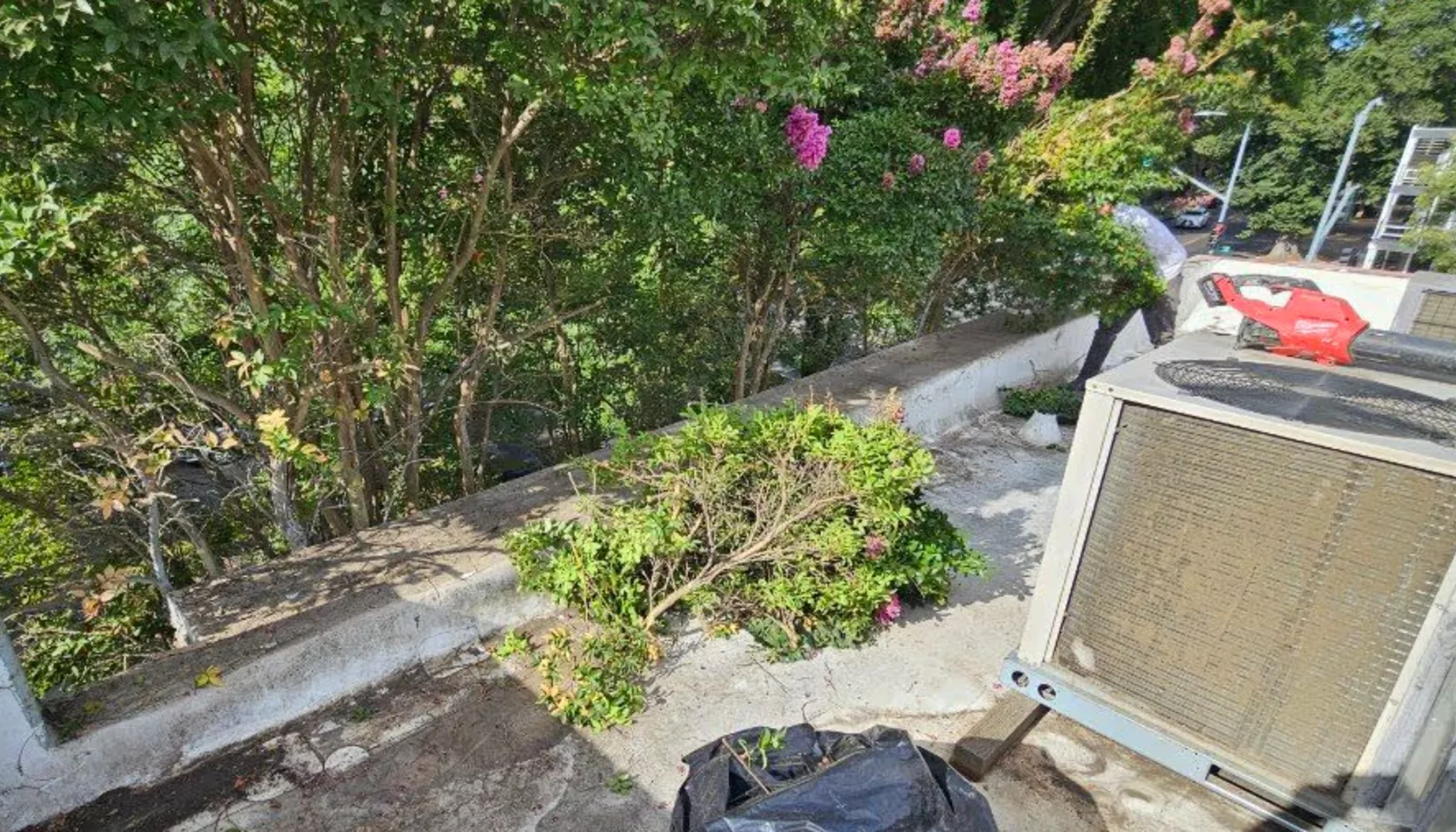
Leaves, dirt, seed pods, and windblown debris have a talent for finding roof drains. Once a drain clogs, one good Sacramento storm can turn part of the roof into an unwanted rooftop pool. That is a drainage warning, not a new amenity.
Drainage areas should be checked before the rainy season and after major storms. Pay special attention to properties near mature trees, where debris can build up quickly.
- Clear drains, scuppers, gutters, and downspouts.
- Check nearby membrane for soft spots, stains, loose seals, or recurring puddles.
3. Failed Seams and Flashing
Problem: Open seams, worn flashing, or weak details allow water into vulnerable roof transitions.
Solution: Reseal, weld, replace, or rebuild the affected detail using the correct method for the existing roof system.
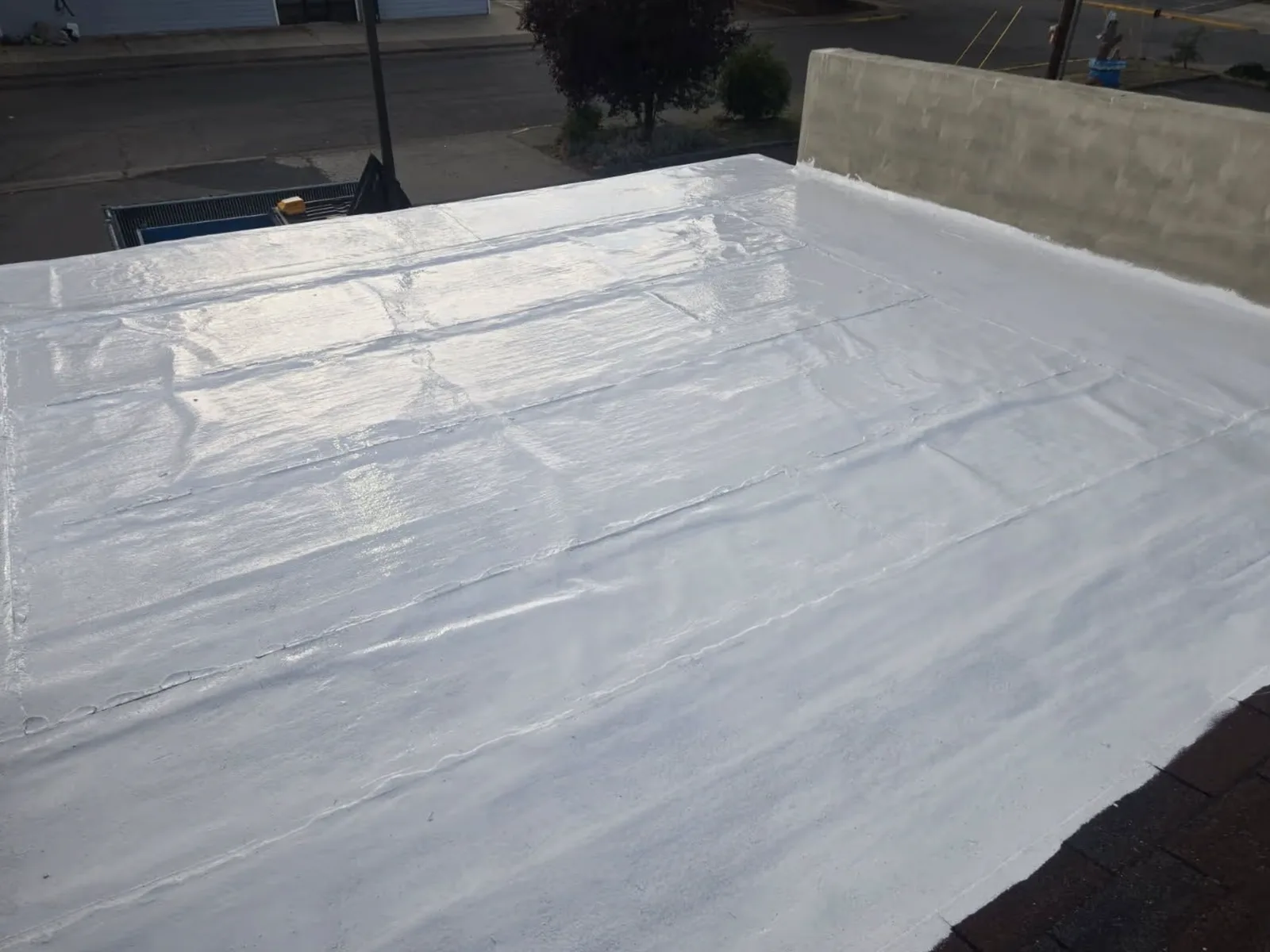
Seams connect sections of roofing membrane, while flashing protects edges, walls, pipes, vents, curbs, and other transitions. These areas take a lot of punishment from heat, wind, water, and normal building movement. That makes them common leak locations on commercial flat roofs.
A repair may involve resealing or welding a seam, replacing damaged flashing, or rebuilding the detail around a penetration. The correct method depends on the existing roof system, such as TPO, PVC, modified bitumen, or a coated roof.
4. Punctures From Foot Traffic and Rooftop Work
Problem: Service traffic, dropped tools, and rooftop equipment work can puncture or wear through the membrane.
Solution: Inspect after rooftop work, repair punctures with compatible materials, and add walk pads where service traffic is common.
Commercial roofs often become the hallway for HVAC technicians, electricians, solar crews, and maintenance teams. A dropped tool, sharp equipment edge, or repeated walking can puncture the membrane. The damage may be tiny but still allow water underneath.
A roof inspection after major rooftop work is a smart habit. Walk pads can protect common service routes around HVAC equipment, while punctures should be repaired with materials that match the existing roofing system.
5. Sun and Heat Wear
Problem: UV exposure and heat age the roof surface, stress seams, and make older membranes less flexible.
Solution: Consider reflective roofing or a properly prepared coating when the existing roof is dry, stable, and a good candidate.
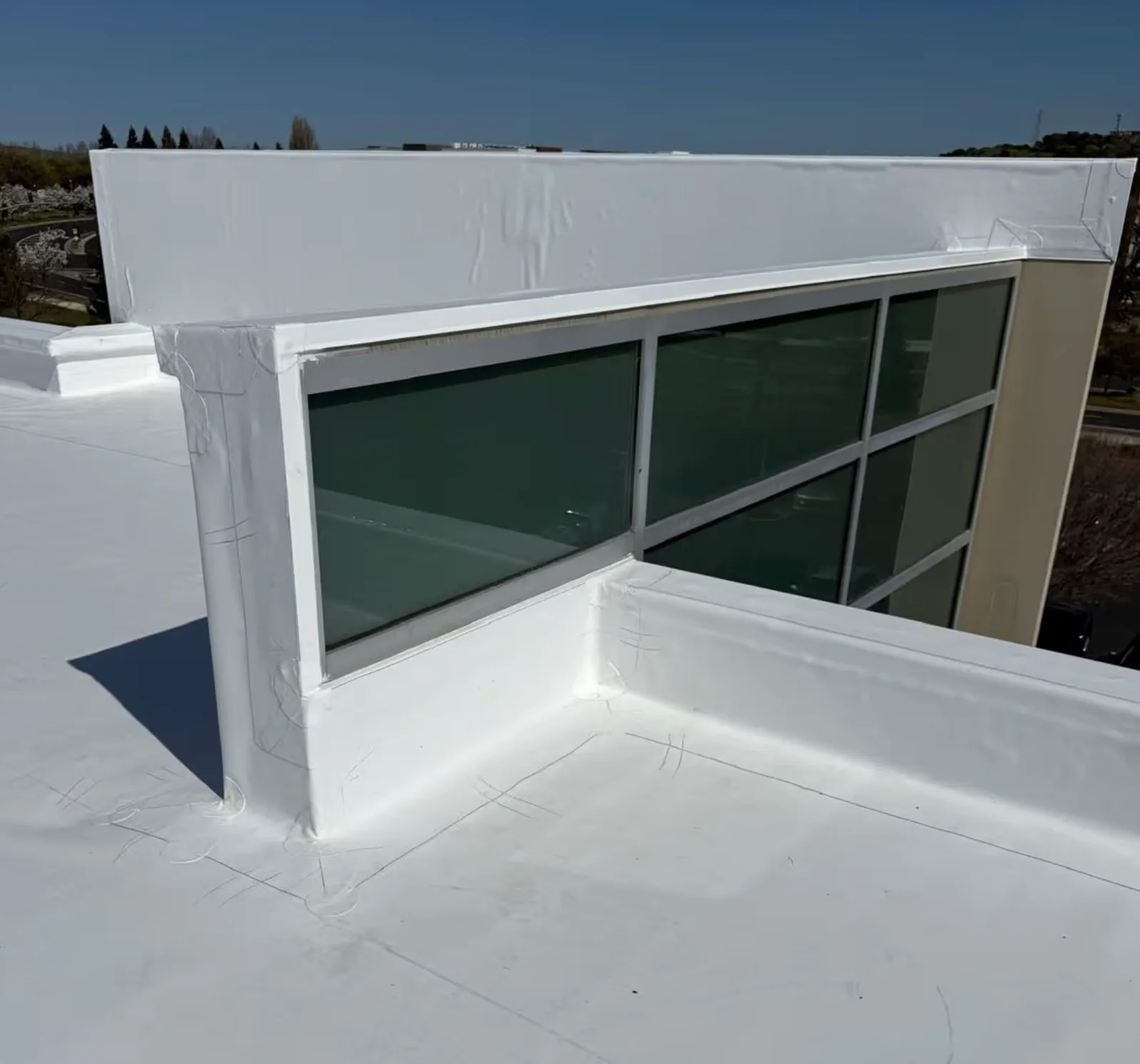
Inland Northern California roofs can spend long summer days under direct sun. UV exposure and heat can age some roofing materials, stress seams, and make older membranes less flexible. That wear may show up as cracking, surface deterioration, or repeated trouble around details.
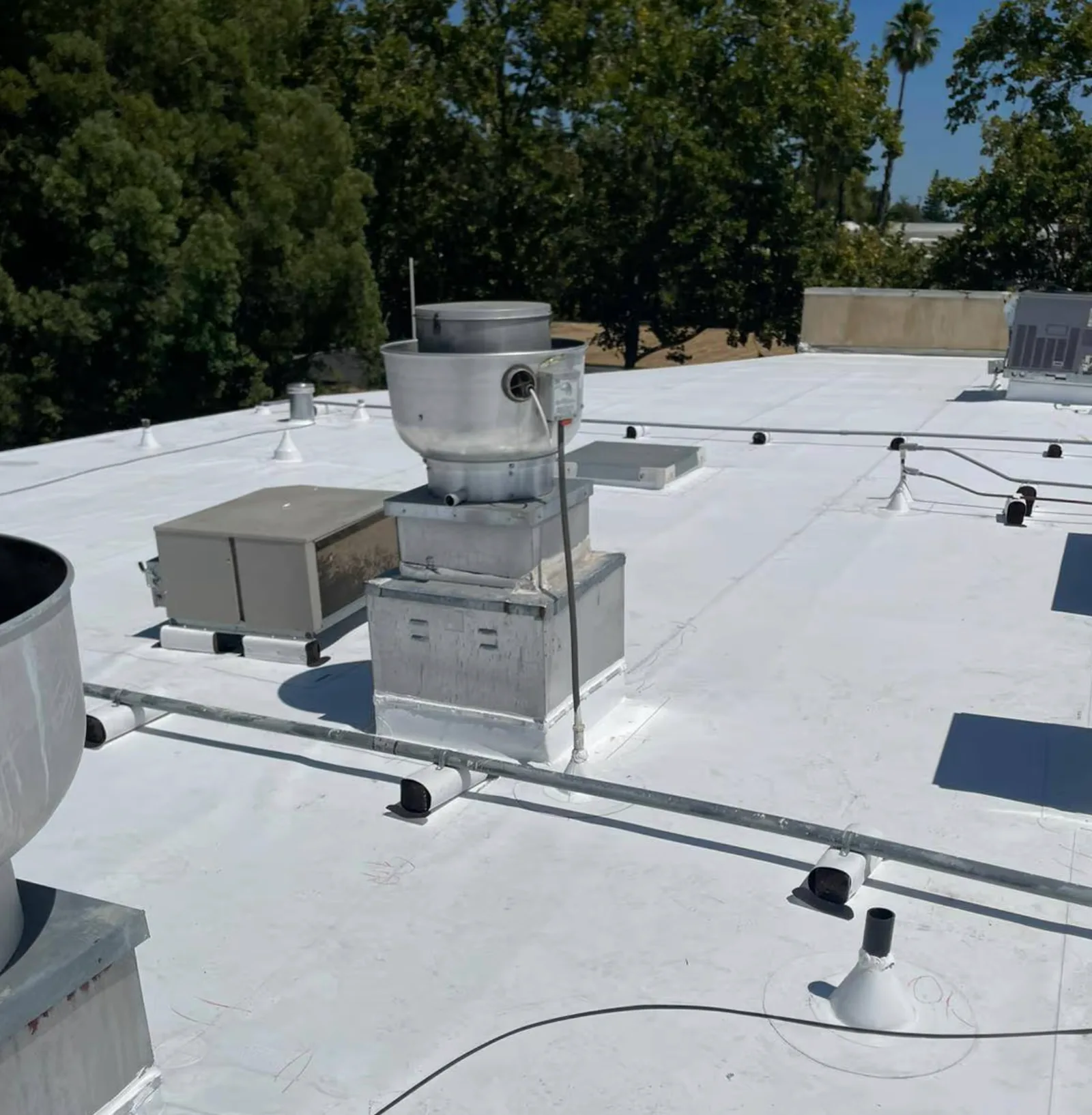
Reflective roofing can help reduce solar heat gain. The U.S. Department of Energy notes that cool roofs reflect more sunlight and reduce heat moving into the building, and California energy rules can affect roofing choices on certain commercial projects.
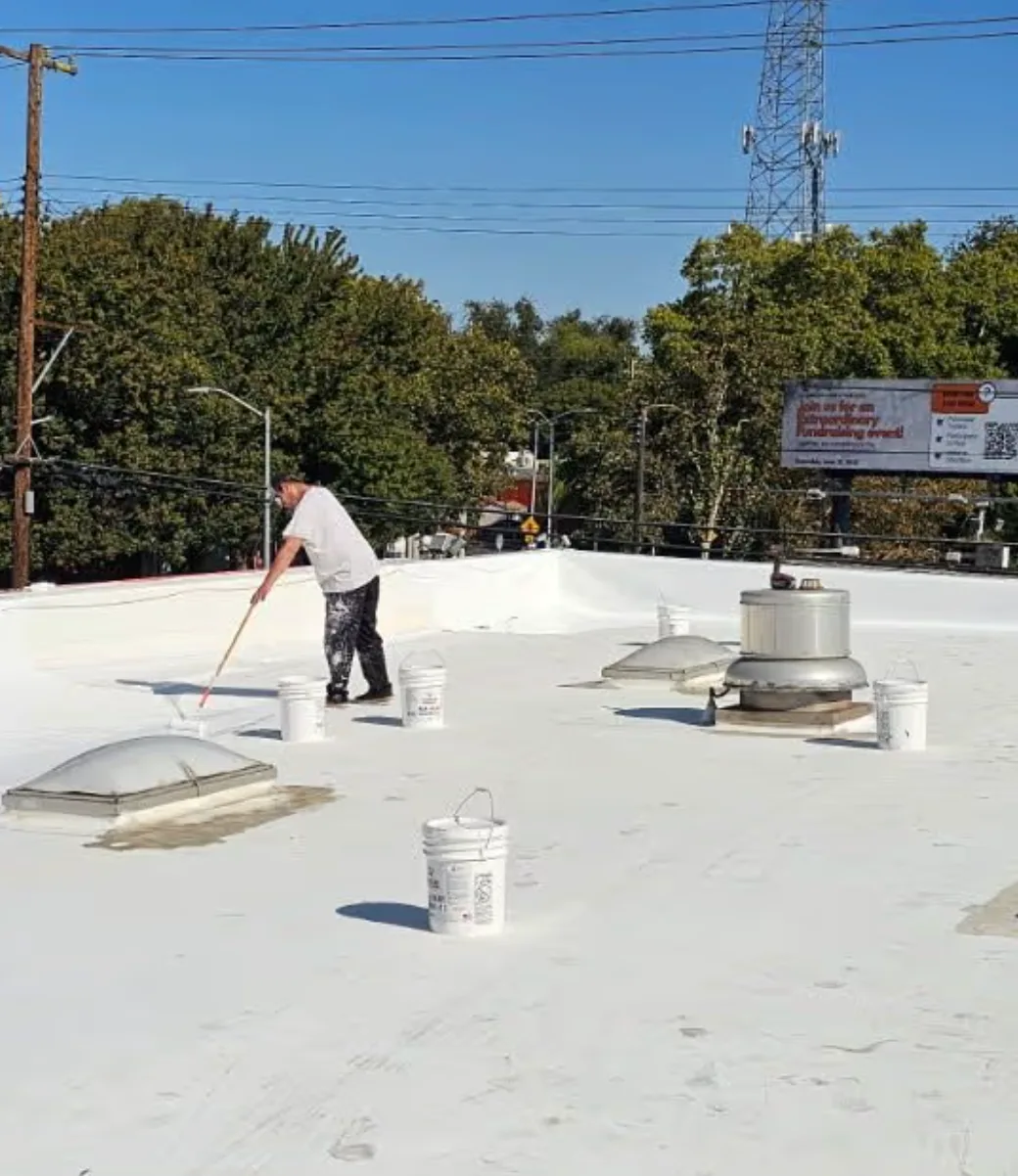
A roof coating may be useful when the existing roof is dry, stable, and properly prepared. It should not be used as a cosmetic cover-up for active leaks, wet insulation, or widespread failure.
6. Moisture Trapped Under the Roof
Problem: Water enters through one roof detail and spreads into insulation or other hidden layers below the surface.
Solution: Use a commercial roof inspection and moisture testing to find the affected area before choosing repair, partial replacement, or reroofing.
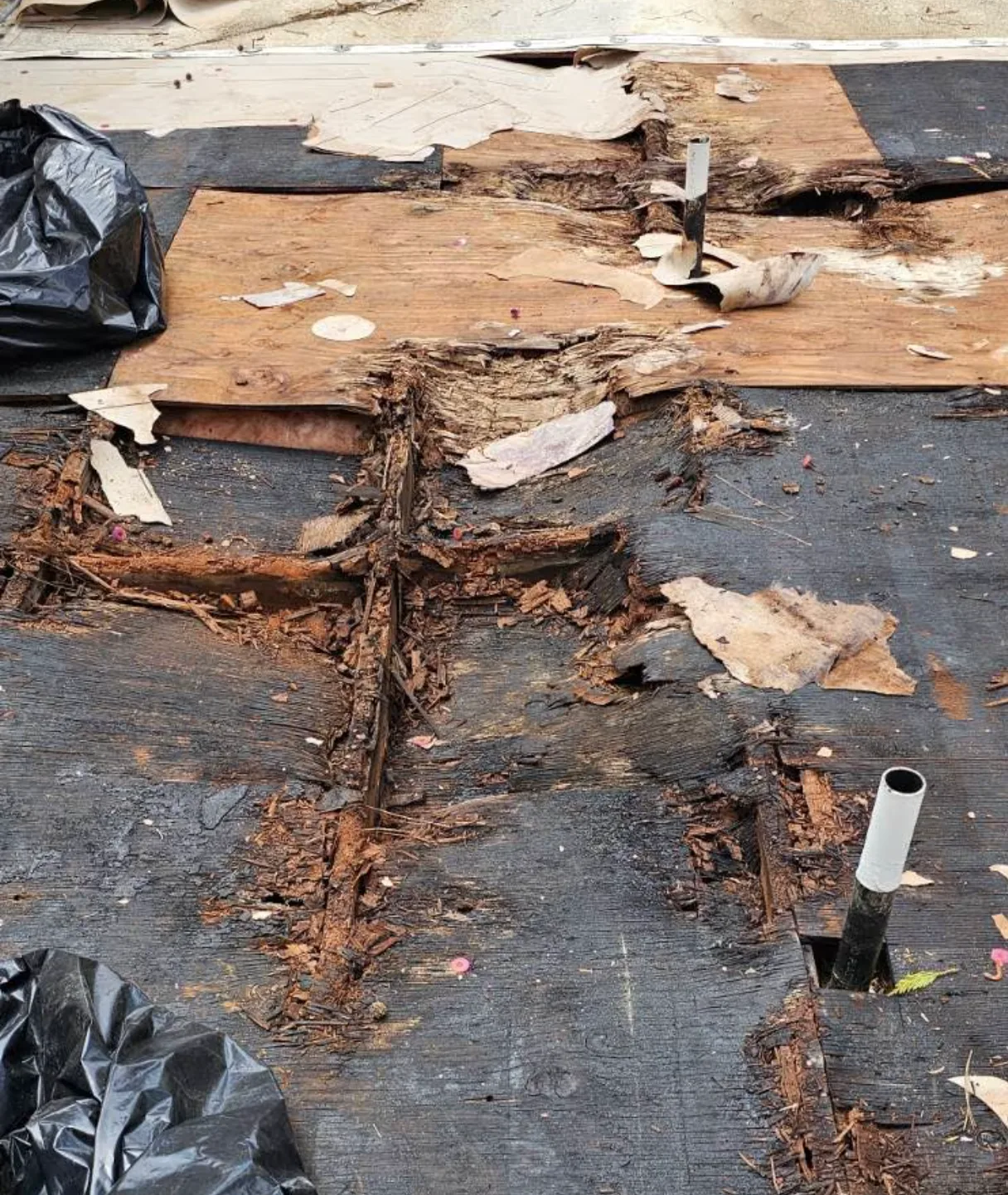
Some of the worst flat-roof problems are hidden below the surface. Water can enter through a seam, penetration, drain detail, or old repair and then move into the insulation. By the time a ceiling stain appears, the original entry point may be several feet away.
That is why chasing an indoor stain with a tube of sealant is usually not much of a strategy. A commercial roofer may use inspection, probing, or moisture testing to determine how far the problem has spread.
Localized wet material may be repairable if the surrounding roof is still in good shape. Widespread trapped moisture can make partial replacement or reroofing a better long-term decision.
7. An Aging Roof With Too Many Repairs
Problem: Repeated leaks, brittle membrane, and widespread seam failure make constant patching less cost-effective.
Solution: Compare targeted repair, restoration, coating, and replacement based on the full roof condition.
Every commercial roof eventually reaches the point where constant patching stops making financial sense. If leaks keep showing up in new places, seams are failing across the roof, or the membrane has become brittle and worn, another small repair may only buy a little time.
That does not mean every older roof needs a full tear-off. Some roofs are good candidates for targeted repairs or restoration, while others are better served by replacement with a modern low-slope system.
The useful question is not only, "How old is the roof?" It is, "What condition is the whole roof in, and which option gives the building the best value from here?"
When Should a Commercial Flat Roof Be Inspected?
Routine inspections are useful, especially before Northern California's wetter months and after major storms, high winds, HVAC work, or solar installation. Property managers should also react to new ceiling stains, musty smells, bubbling membrane, open seams, soft areas, or ponding water that keeps returning.
A commercial roofing contractor can help determine whether the roof needs a focused repair, restoration, coating, or replacement. Higher Level Roofing provides commercial roofing services, flat roofing, and roof coating options for Sacramento-area and other Northern California commercial properties.
Fix the Roof Problem Before It Becomes a Building Problem
A small roof defect is one thing. Wet insulation, damaged ceilings, interrupted tenants, and soaked inventory are a much bigger headache. Regular drainage cleaning and timely repairs can help keep a commercial flat roof doing its job without turning every rainstorm into an emergency.
If your building has recurring leaks, ponding water, visible membrane damage, or an older roof with a growing repair list, start with a full roof evaluation. Knowing what is actually happening on the roof makes it easier to spend money where it matters instead of playing repair whack-a-mole.
Frequently Asked Questions
How long can water sit on a commercial flat roof?
A low-slope roof should move water toward its drainage system. If the same areas repeatedly hold water well after a storm, have the drainage and roof surface inspected rather than treating it as normal.
Can a commercial roof coating stop leaks?
A coating can help restore a suitable roof, but it is not a substitute for fixing active leaks or wet roofing materials underneath. The roof should be inspected, repaired, cleaned, and prepared first.
Should I repair or replace my commercial flat roof?
It depends on how widespread the damage is, whether insulation is wet, how many repairs already exist, and the condition of the membrane and flashing. Localized damage may be repairable, while broad deterioration can make replacement more cost-effective.