Other Important Things to Look for During an Inspection
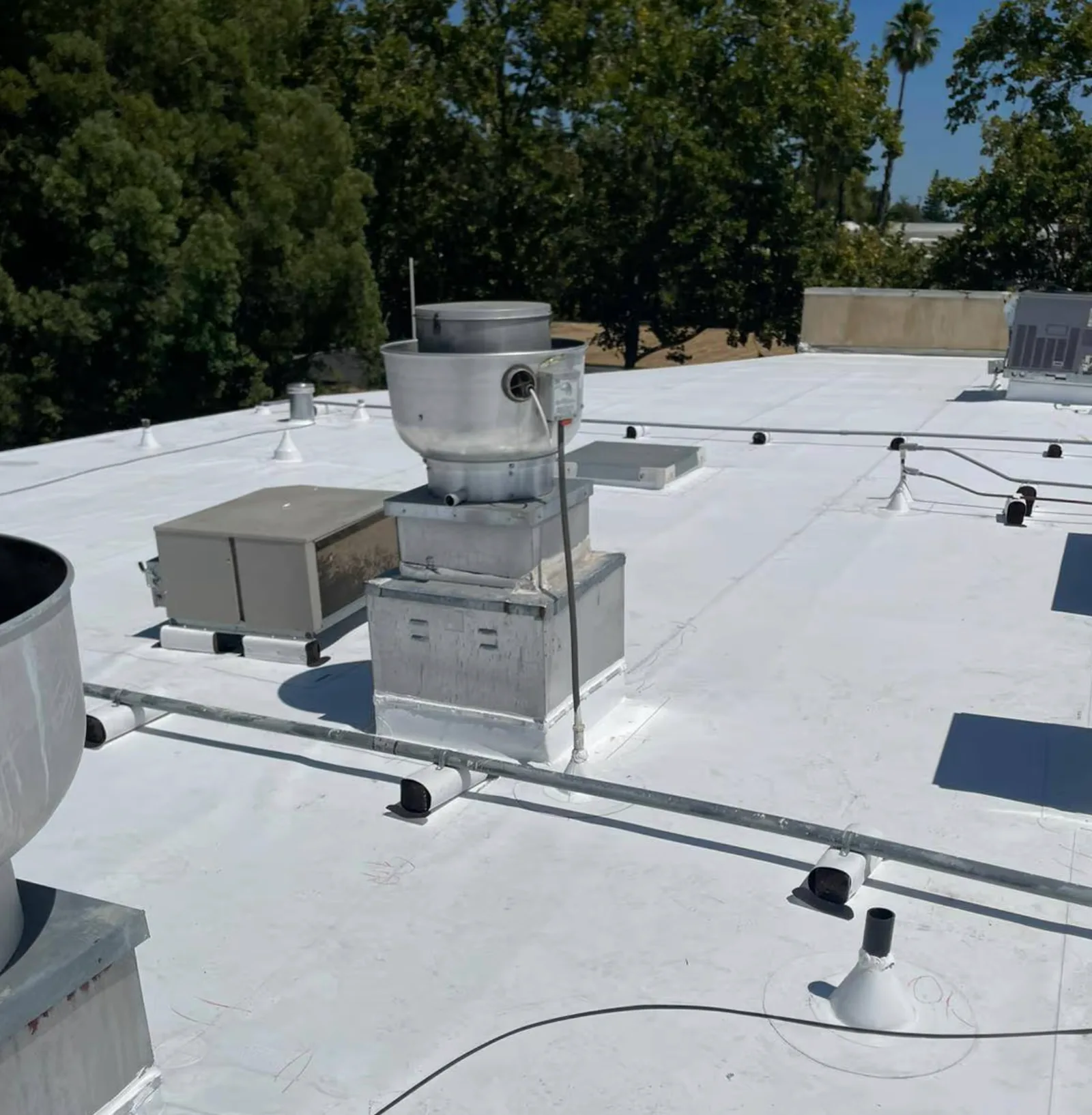
In addition to the routine checks above, while you are on the roof you should carefully inspect roof openings for pipes and vents, as well as other roof-mounted components. Below is a checklist of items to inspect:
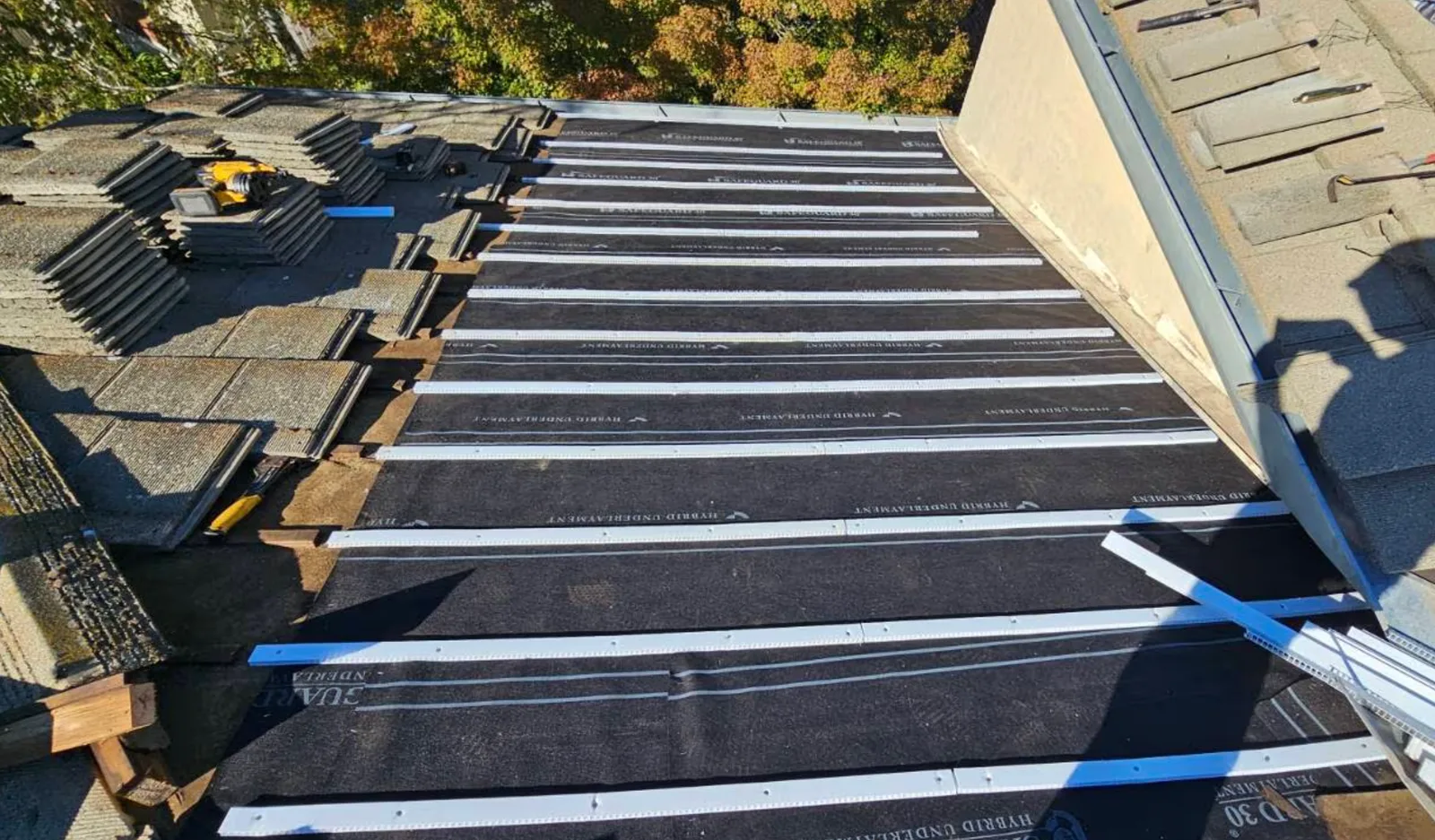
1. Roof Openings for Pipes and Vents
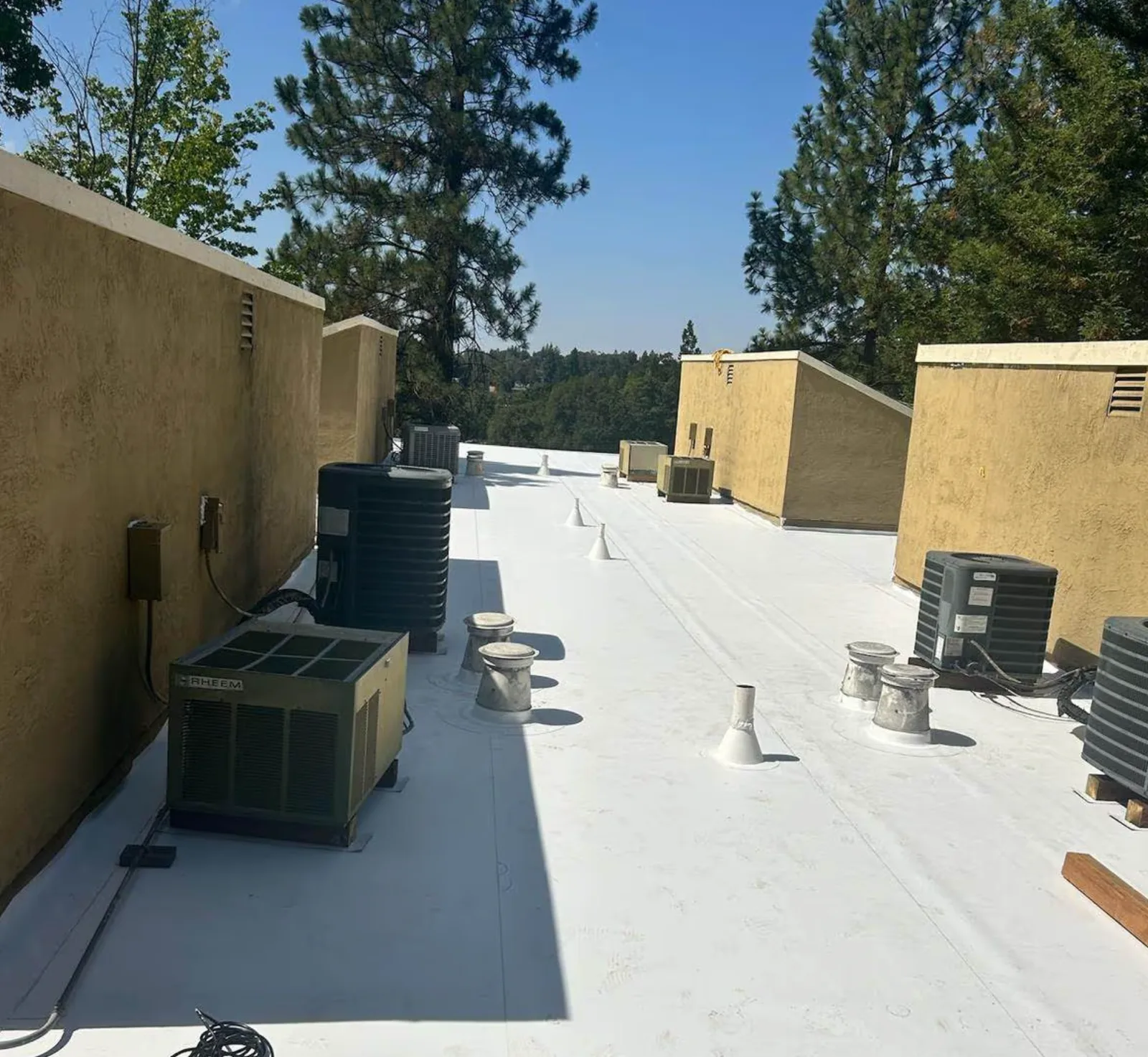
Check the connection between the roof opening and the pipe.
Make sure the fitting around the roof opening is properly secured and that all fasteners are intact. The pipe should fit tightly against the opening. Check that the seals are undamaged and show no signs of dents or deformation caused by ice.
Roof openings for pipes and vents must be properly sealed during installation. If you notice any damage, reseal the area using a sealant suitable for the roofing material and approved for outdoor use.
The Roof Area Around the Opening
Remove any dirt or debris, such as leaves or moss, that may have accumulated around the roof opening.
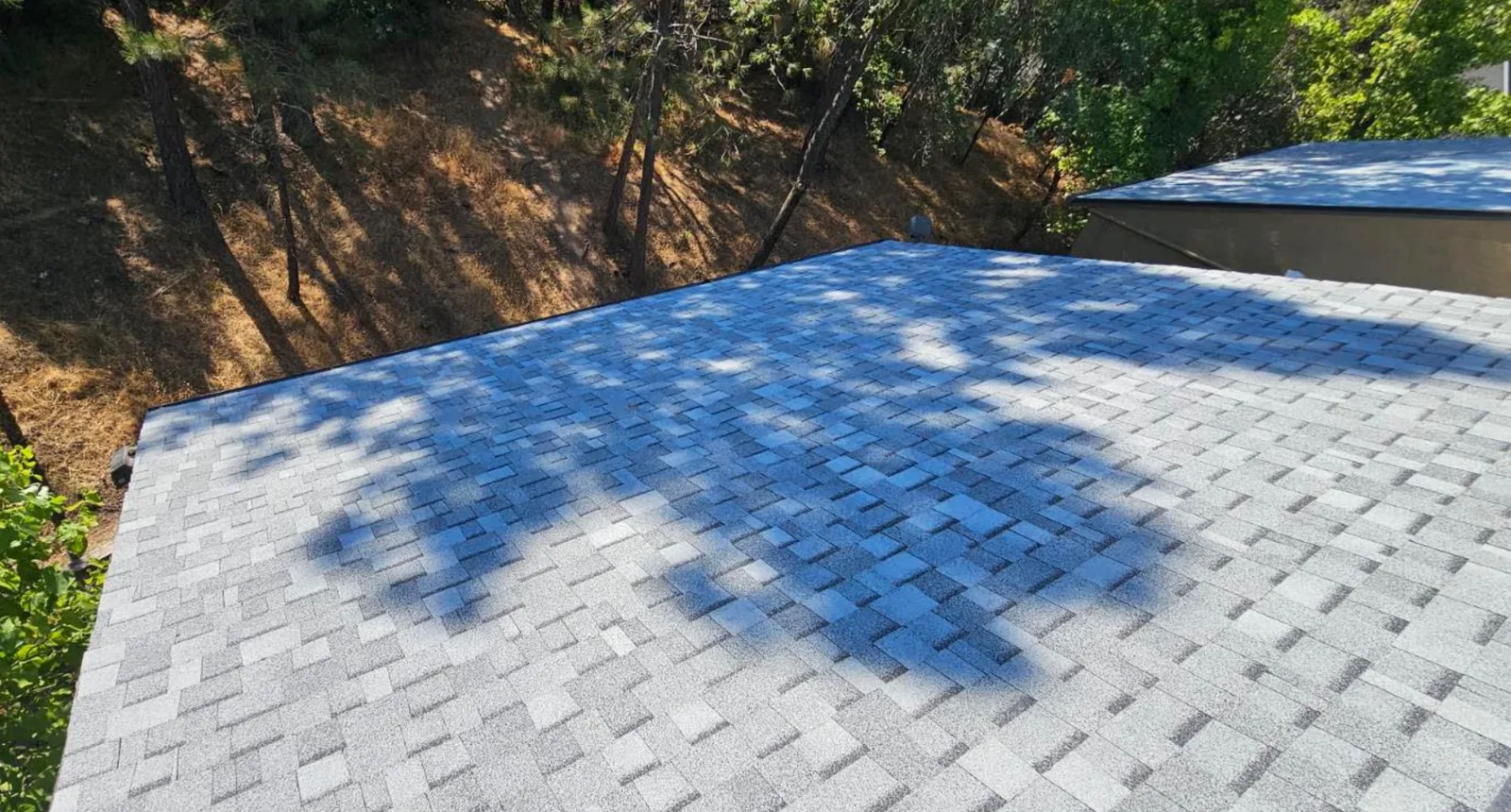
Underlay and Waterproofing
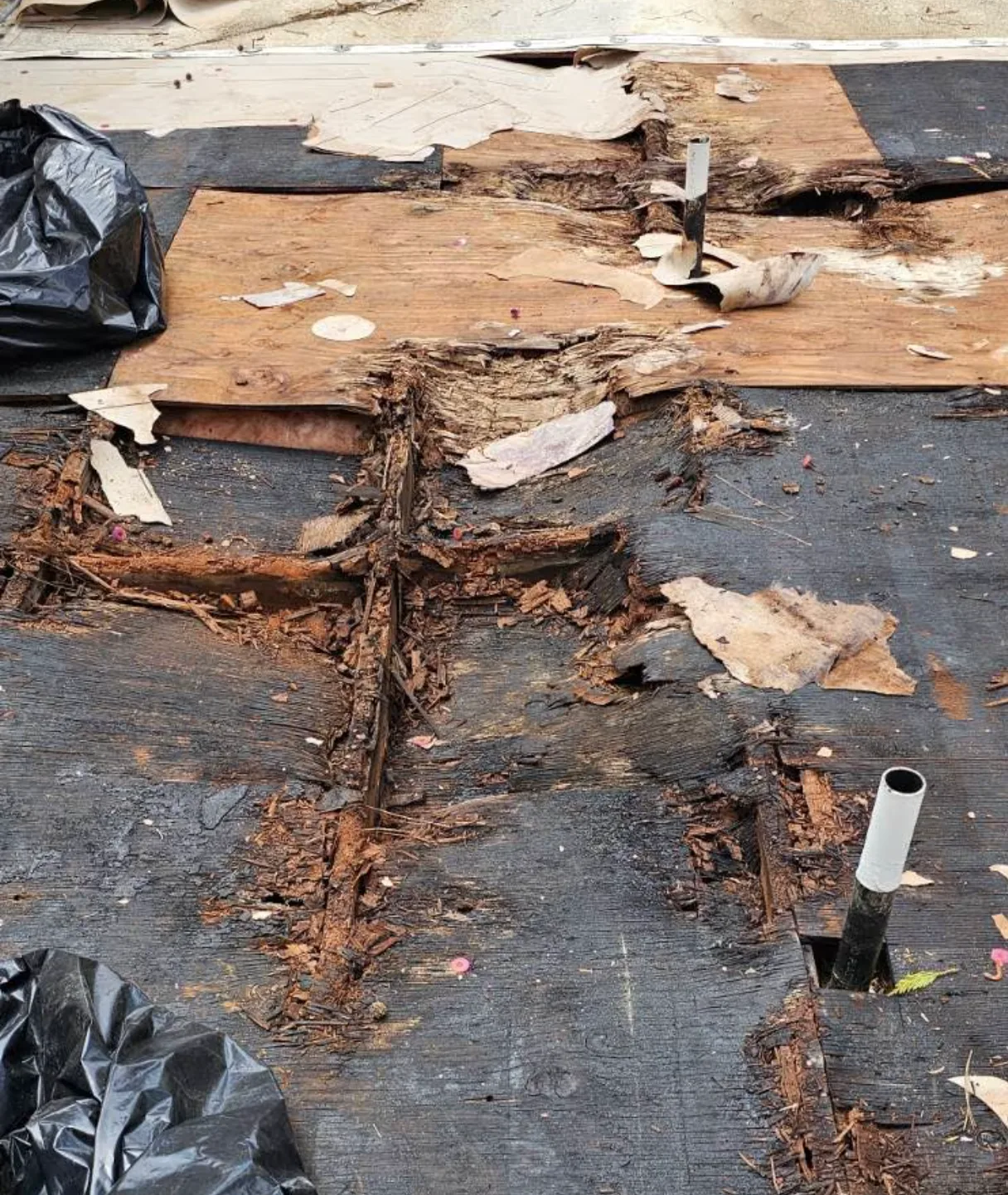
It is important to check that the roof opening remains watertight. Make sure the roofing underlay is not damaged and that there are no signs of leaks in the insulation layer. If an underlay seal or waterproofing seal has been installed around the opening, make sure it is properly secured to the roof structure.
2. Roof Fan
Make sure the fan blades rotate freely. A small amount of dirt will not normally affect the fan's operation, but heavier buildup should be removed. The roof fan should run smoothly and quietly. A squeaking sound may indicate damaged or worn bearings.
Be careful when cleaning the fan blades or impeller to avoid damaging any balancing components or bearings.
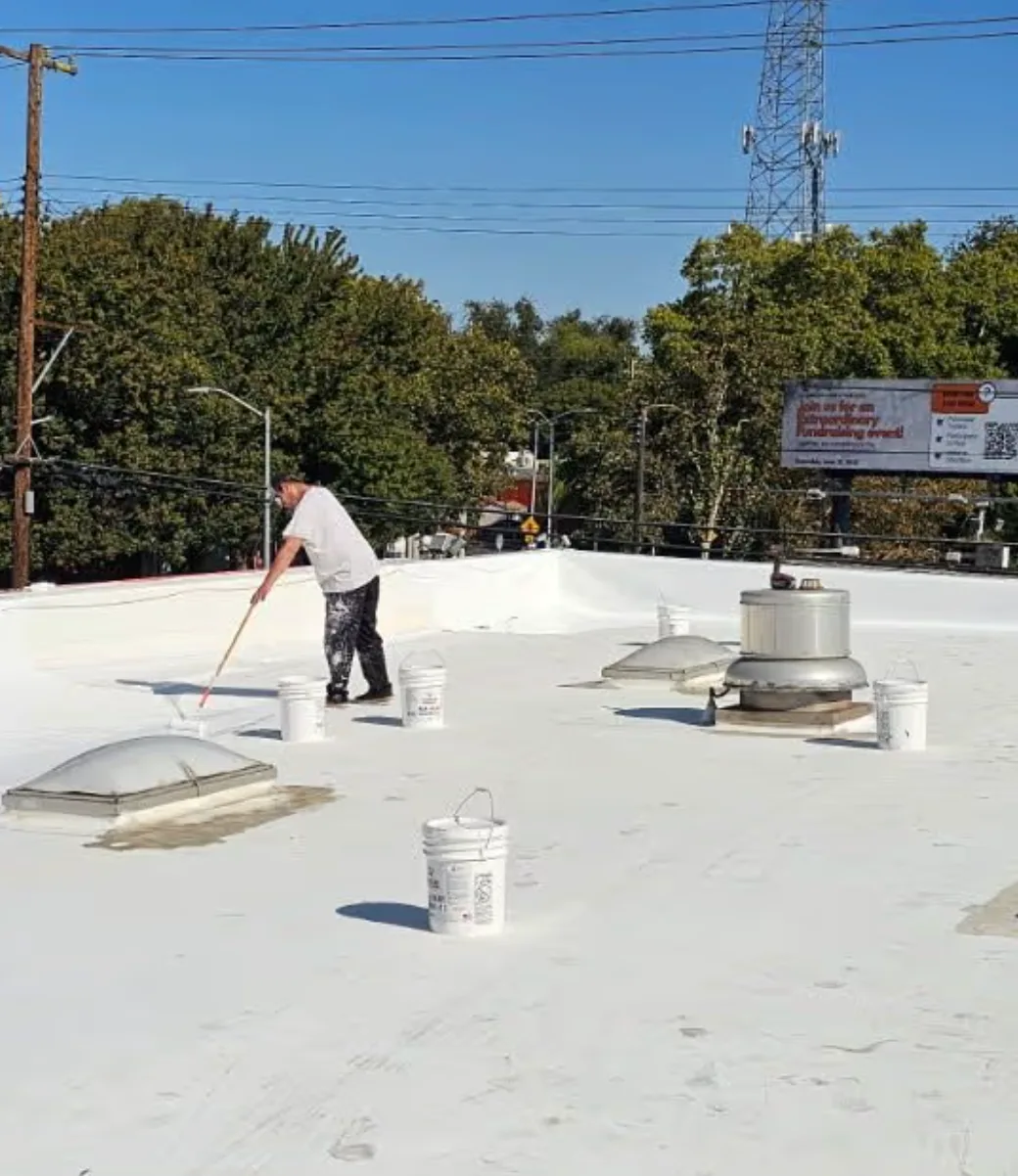
3. Rubber Seals for Flat Roofs
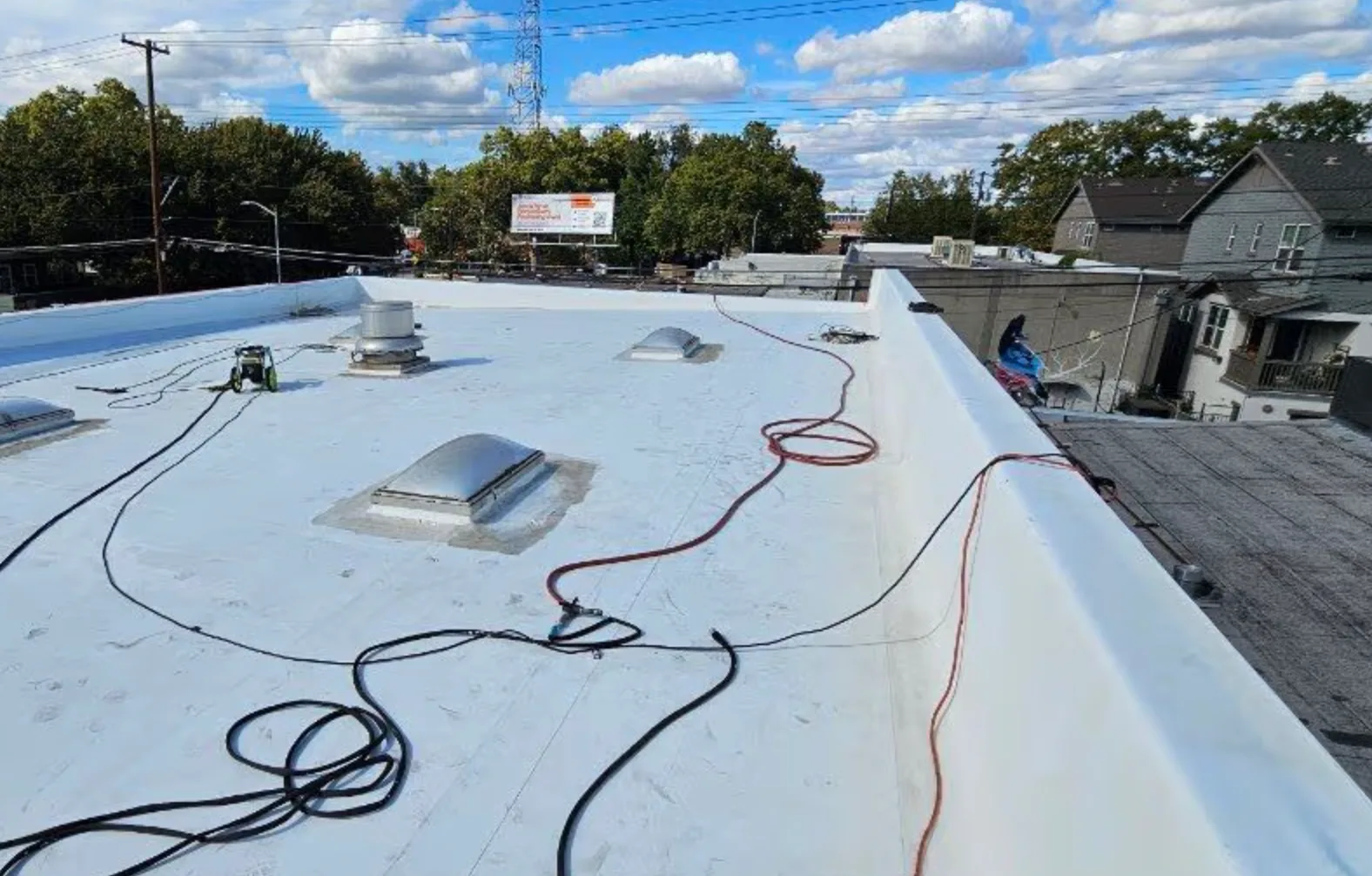
Make sure the seals around roof openings for pipes and vents are undamaged and securely fastened. This is especially important on flat roofs because rainwater or melting snow may enter the space beneath the roofing. Proper sealing helps protect the roof structure from moisture and water damage.
4. Roof Openings for Chimneys
Roof openings for chimneys should be checked for a tight, watertight connection around the chimney and surrounding roof material. Make sure the seal, flashing, and surrounding components are secure and show no visible damage.
Log Houses Several Years After Construction
A small amount of settlement is normal in log houses during the first few years after construction. The rubber seal around a chimney roof opening is typically secured around the chimney with a metal clamp to create a watertight connection.
Check the position of the rubber seal and, if necessary, loosen the clamp and lower the seal to accommodate any settlement of the house. Then secure the upper part of the rubber seal tightly against the chimney with the metal clamp.
After a Soot Fire in the Chimney
If a soot fire has occurred in the chimney, carefully inspect the roof opening around the chimney for damage. High temperatures may damage the rubber seal or surrounding components. If the rubber seal is damaged, it should be replaced.
After a chimney fire, it is also advisable to have the chimney and surrounding roof components inspected by a qualified professional.
Why Should You Inspect Your Roof Regularly?
A properly installed roof and its components can remain safe and durable for many years, even in harsh weather conditions. However, damaged or incorrectly installed roof components can increase the risk of leaks and structural problems.
Your roof can remain in good condition for decades if problems and damage are identified and repaired early. Regular inspections are one of the simplest ways to prevent minor issues from developing into expensive repairs.
Always follow the manufacturer's installation, operating, and maintenance instructions for any roofing products or components installed on your home.