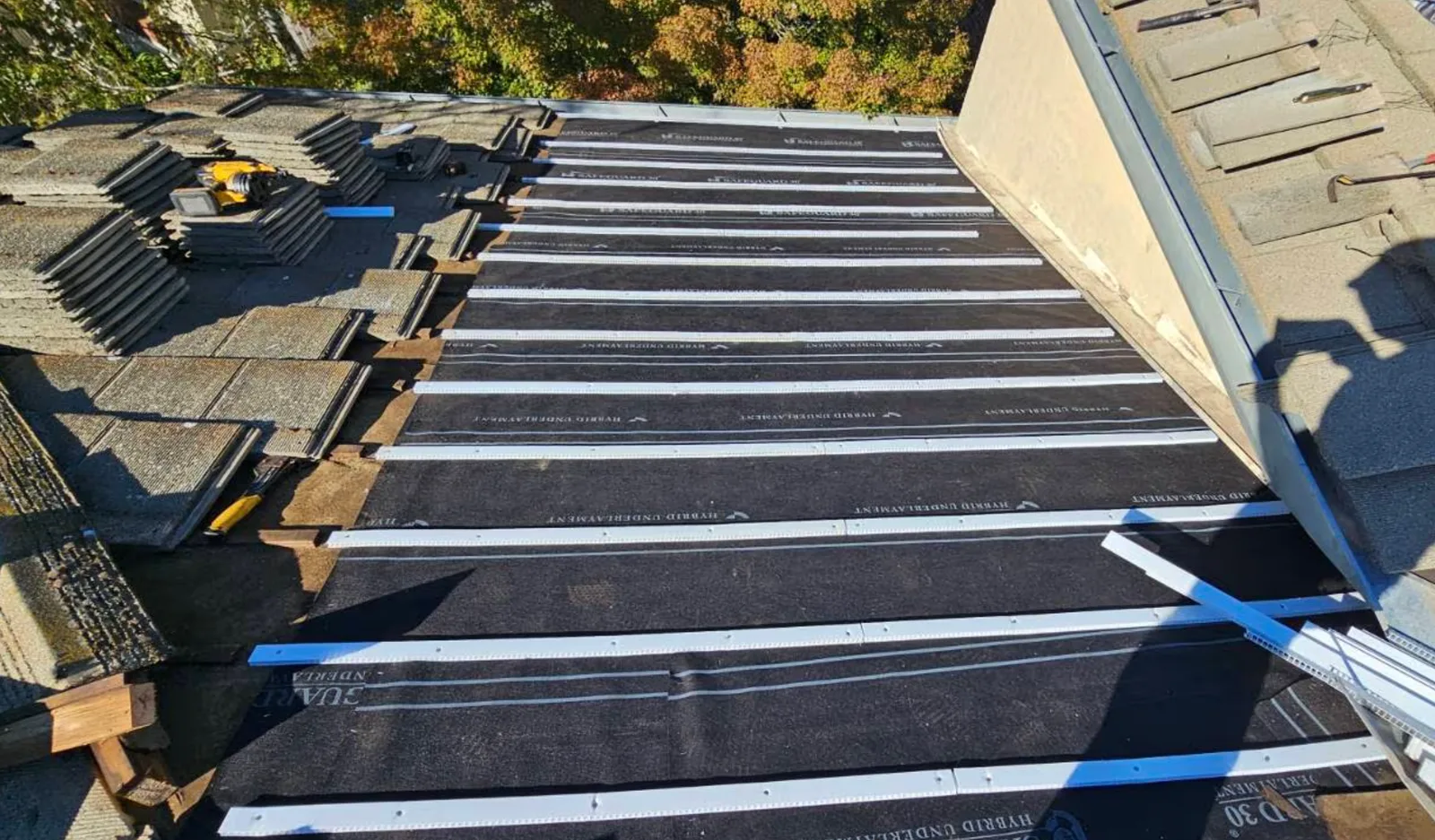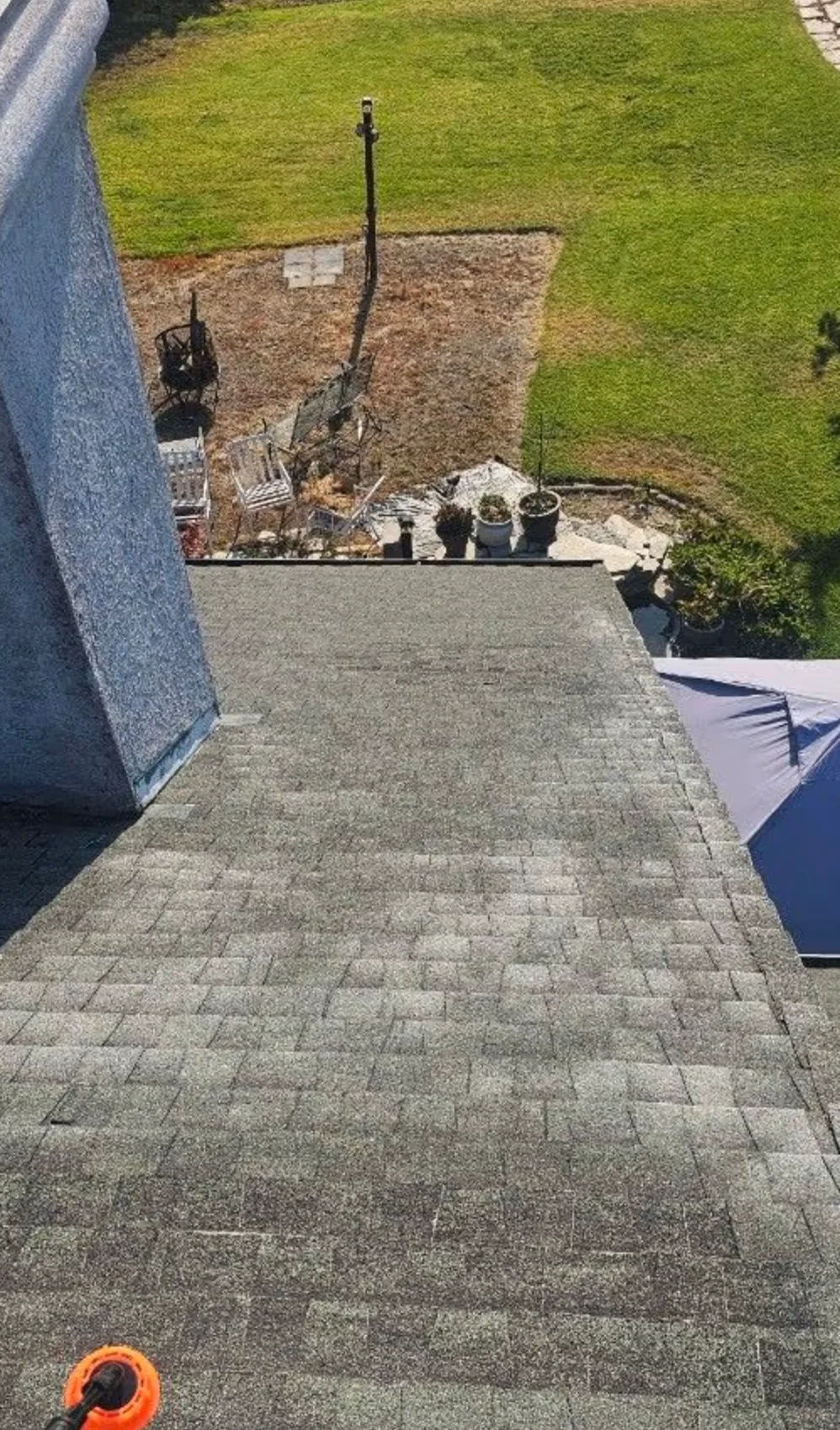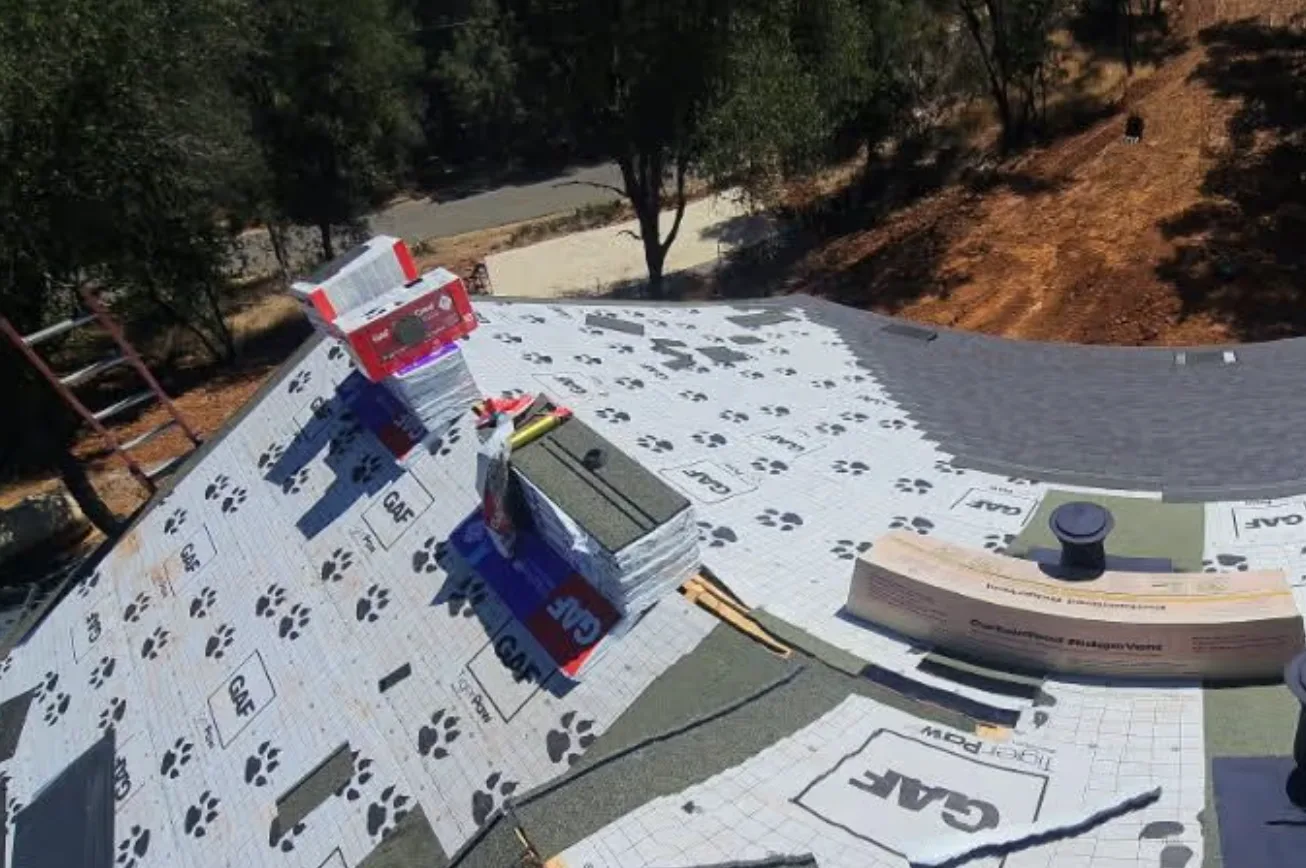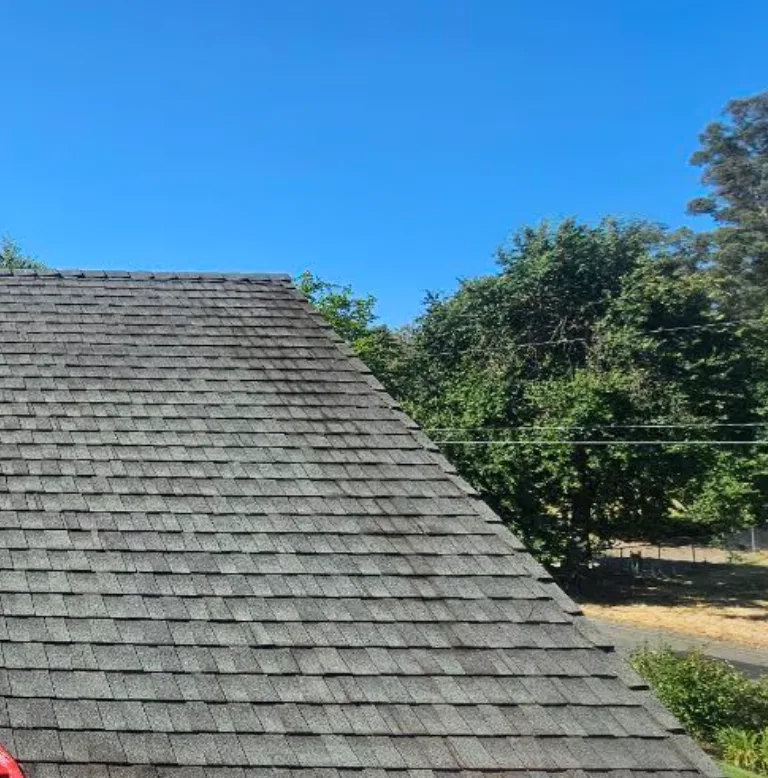
In the Sacramento area, standard roof replacements often fall toward the lower or middle part of that range because access and labor conditions can be easier than in dense Bay Area neighborhoods. Around San Francisco, San Jose, Oakland, Marin, and the Peninsula, higher labor costs, tight staging areas, parking limits, steep lots, and permit expenses can push the same basic project upward. Think of the Northern California market as one big menu where the address, roof shape, and material choices all affect the final check.
This guide explains what homeowners are actually paying for, how contractors calculate roof replacement cost, and where surprise expenses tend to hide. The numbers below are planning ranges based on current national and California cost guides, local permit information, and typical Northern California project conditions. They are useful for building a budget, but a roof inspection and written estimate are still the only reliable way to price a specific home.
The Quick 2026 Cost Answer
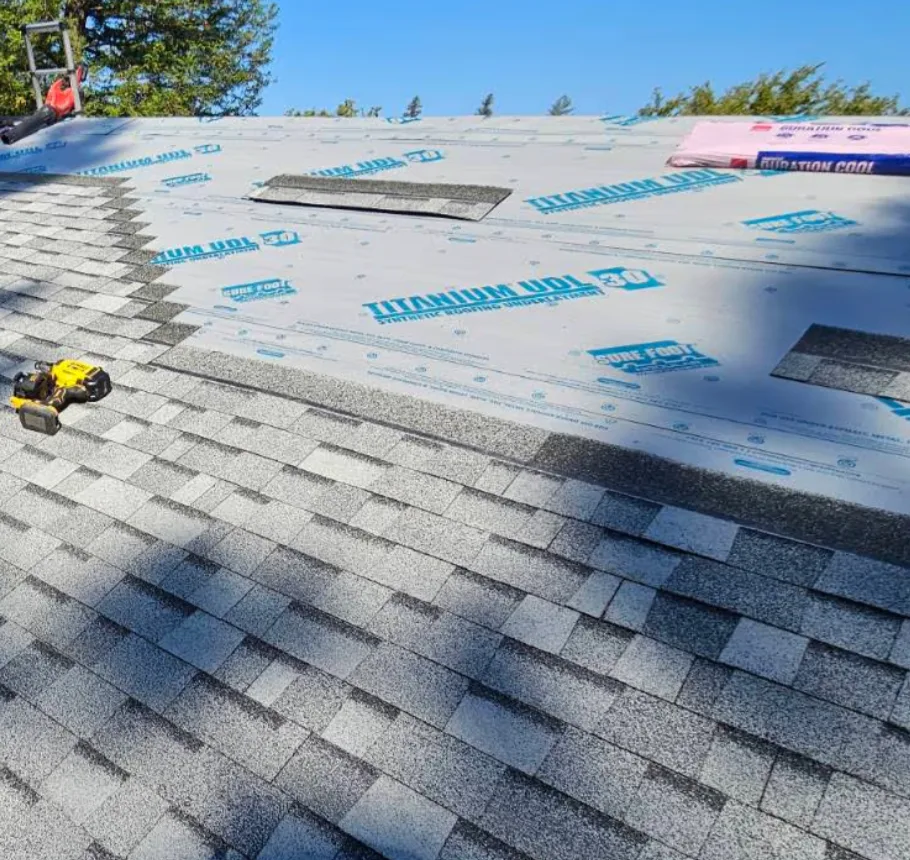
A practical 2026 budget for an architectural asphalt-shingle roof in Northern California is about $7 to $14 per square foot of roof area. That usually includes removal of the existing roofing, standard underlayment, new shingles, basic flashing work, labor, cleanup, and disposal, although every proposal should spell out exactly what is included. Homes with easy access and a simple gable roof tend to sit near the lower end, while complicated roofs and premium systems move toward the upper end.
Using that range, a 2,000-square-foot roof may cost about $14,000 to $28,000 before major deck repairs, special access costs, solar removal, or unusual code work. A 2,500-square-foot roof may run about $17,500 to $35,000, while a 3,000-square-foot roof may reach $21,000 to $42,000. These examples are not quotes, but they give homeowners a more useful starting point than a vague national average.
One detail trips people up all the time: your roof area is not necessarily the same as your home's living area. A 2,000-square-foot house may have a roof that measures 2,300, 2,700, or even 3,000 square feet after the garage, overhangs, slope, additions, and covered patios are counted. The roof did not secretly join a gym and bulk up; it is simply measured across every surface that needs material.
What Counts as an Average Roof in Northern California?
An average project is usually a one- or two-story home with a moderate roof pitch, ordinary driveway access, and architectural composition shingles. It normally involves tearing off one existing layer, inspecting the wood deck, replacing underlayment, installing new flashing where needed, adding ventilation components, and completing a full cleanup. Once the home has multiple roof levels, dormers, skylights, solar panels, tile, or a steep hillside driveway, it is no longer an average job.
Sacramento-area homes often have broad, straightforward rooflines that are efficient for a crew to work on. Bay Area homes can be smaller in living space but harder to roof because houses sit close together, streets are narrow, driveways slope, and material staging may require extra planning. A compact house in San Francisco can cost more to reroof than a larger ranch home outside Sacramento because the crew spends more time moving people, tools, debris, and materials safely.
Roofing prices also move with material costs, fuel, disposal fees, insurance, wages, and demand after strong storms. That is why a neighbor's 2023 invoice is not a dependable 2026 price guide, even when the homes look similar from the sidewalk. It is useful gossip over the fence, but it is not a construction estimate.
Roof Replacement Cost by Roof Size
For a standard asphalt-shingle replacement, a 1,200-square-foot roof may cost roughly $8,500 to $17,000 in Northern California. A 1,500-square-foot roof may fall around $10,500 to $21,000, and a 2,000-square-foot roof may land around $14,000 to $28,000. Smaller jobs sometimes have a higher cost per square foot because delivery, setup, permitting, and cleanup still have minimum costs.
A roof measuring 2,500 square feet may cost roughly $17,500 to $35,000, while a 3,000-square-foot roof may run about $21,000 to $42,000. These ranges assume a fairly normal composition roof and can rise when the design has many valleys, hips, wall intersections, or hard-to-reach sections. Premium shingles, extensive dry rot, and structural repairs can also move the total beyond these planning numbers.
Roofers commonly measure projects in squares, with one roofing square equal to 100 square feet. A 2,000-square-foot roof is therefore about 20 squares before waste is added for cuts, starter material, ridge caps, and roof shape. A simple gable roof may need less extra material than a chopped-up roof that looks like an architect played Tetris with the second floor.
Roof Replacement Cost by Material
Architectural asphalt shingles remain the most common choice because they balance price, appearance, and dependable performance. In Northern California, homeowners can reasonably plan around $7 to $14 per square foot for a full tear-off and replacement under ordinary conditions. Premium or designer shingles can run higher, especially when upgraded accessories, enhanced warranties, or complex installation details are included.
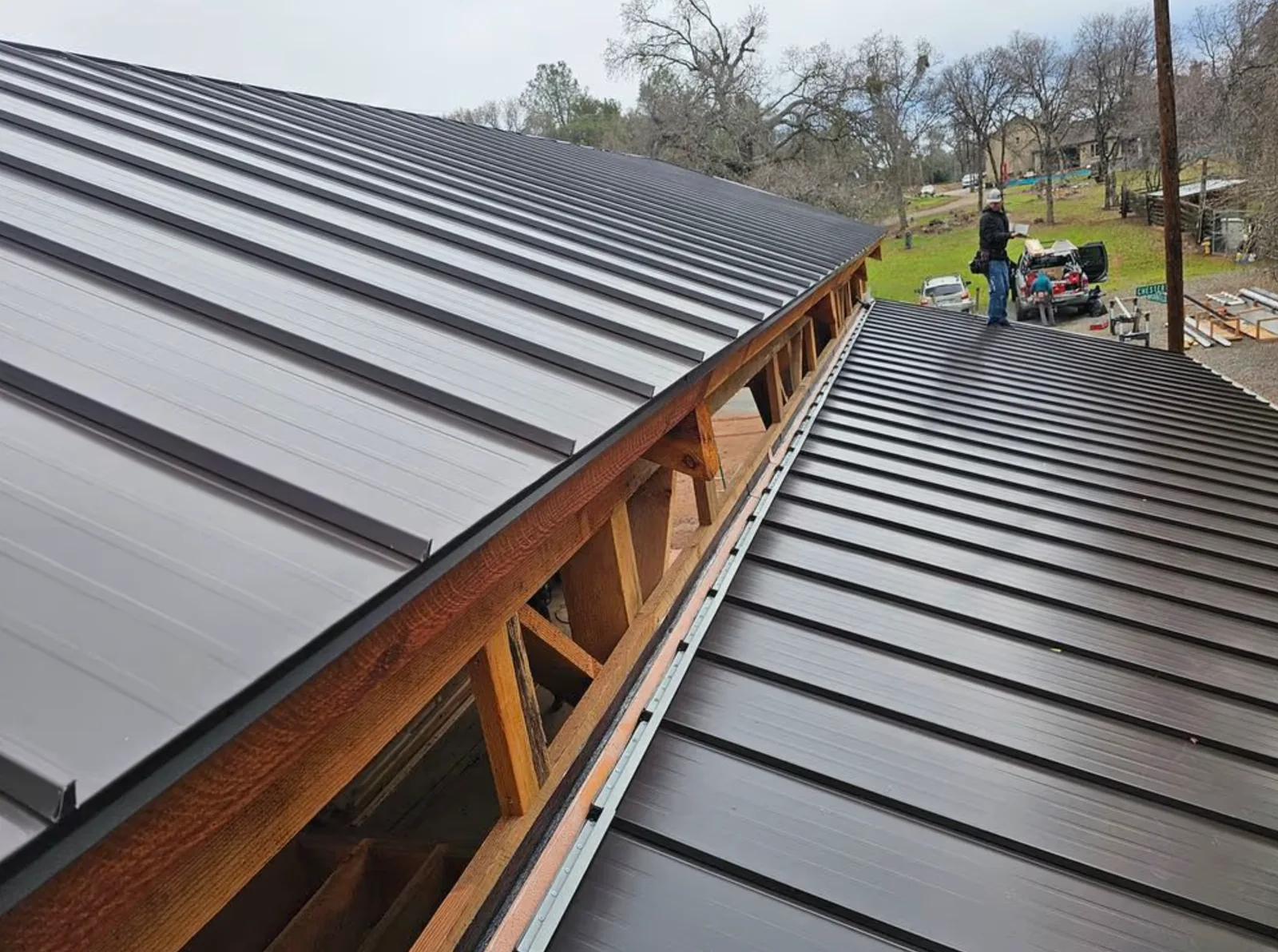
Metal roofing often costs about $12 to $25 per square foot installed, depending on whether the system uses exposed-fastener panels, standing seam panels, or metal shingles. The upfront bill is higher, but many homeowners like the long service life, clean appearance, and low maintenance. Metal can be a strong fit for modern homes, rural properties, and owners who would rather not revisit the same project in another couple of decades.
Concrete and clay tile replacement commonly falls around $14 to $30 or more per square foot. Tile itself can last a long time, but the underlayment beneath it may need replacement sooner, and removing, sorting, stacking, or reinstalling tile requires more labor. Structural capacity matters too, because tile is heavy and the framing must be able to support the system.
Low-slope and flat residential roofs may use modified bitumen, single-ply membrane, or another approved system, with rough planning costs around $9 to $18 per square foot. Drainage details, parapet walls, penetrations, rooftop equipment, and access can change the total quickly. A flat roof may look simple from the street, but water has very little patience for sloppy seams or poorly planned drains.
Wood shake and wood shingle roofs can be expensive to replace and may create additional fire-resistance or insurance concerns in parts of California. Homeowners in wildfire-prone areas should ask about listed fire-rated assemblies and whether a different material would make the home easier to protect and insure. The old cedar look can be charming, but charm should not get the final vote when local fire exposure and policy requirements are sitting at the table.
Why Bay Area Roof Replacement Usually Costs More
Bay Area roofing costs are influenced by some of the highest labor and operating expenses in the country. Contractors may also spend more time dealing with parking permits, restricted work hours, narrow streets, neighbors, steep driveways, and limited places to set a debris box. None of those items make the finished roof more glamorous, but they affect how many hours and resources it takes to complete the work.
A comparable asphalt-shingle project that costs $15,000 to $22,000 in the Sacramento region may cost $18,000 to $30,000 or more in parts of the Bay Area. That does not mean every Bay Area quote is automatically fair, and it does not mean every Sacramento project is inexpensive. It means the local job conditions must be included before two prices can be compared honestly.
Hillside homes in Marin, Oakland, Berkeley, San Mateo County, and parts of San Jose can require extra fall protection, material handling, or smaller delivery loads. Older homes may also have skip sheathing, outdated ventilation, several roof layers, or previous repairs that need correction. The cheapest number on paper can lose its shine fast when important work was left outside the original scope.
What Usually Makes the Price Go Up?
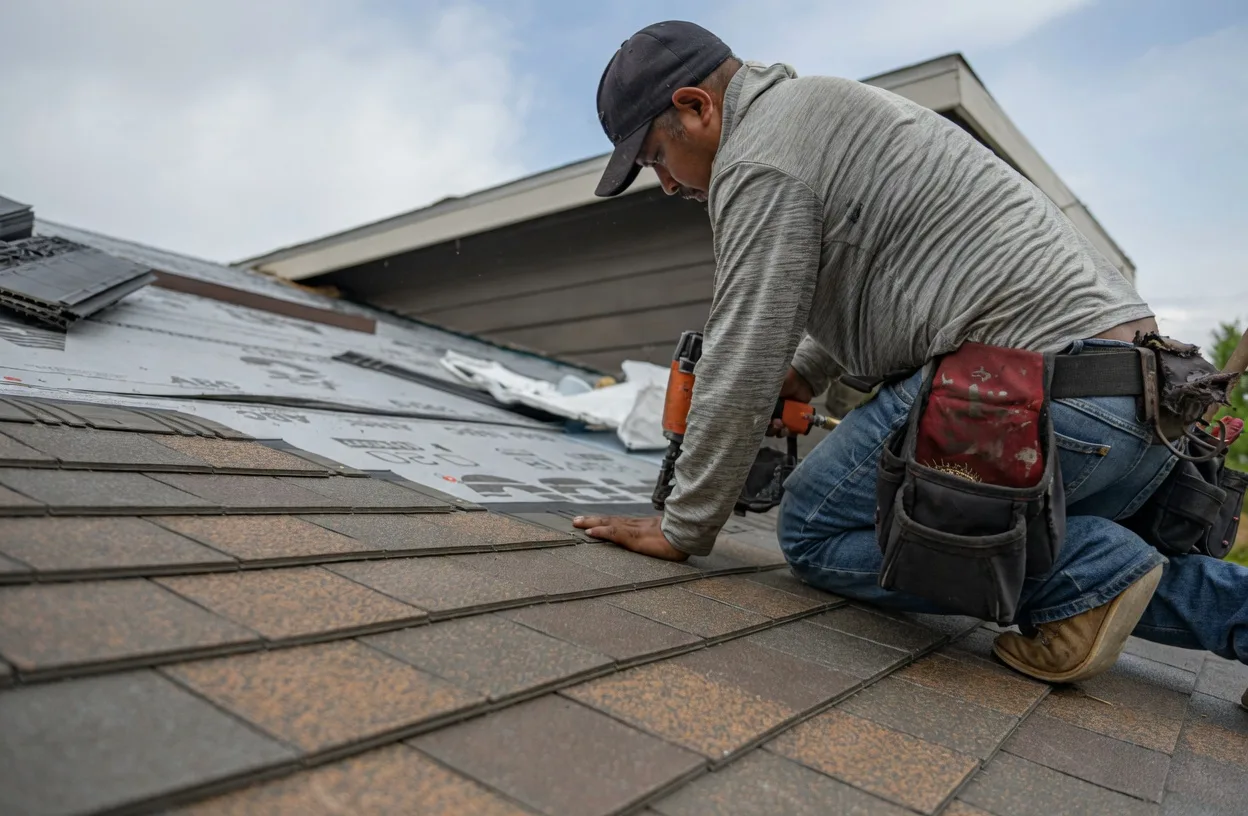
The roof covering is only one part of a complete roofing system. Labor, disposal, ventilation, flashing, underlayment, fasteners, permits, and wood repairs all influence the final number. Homeowners get better estimates when the contractor measures these details instead of using a quick price based only on the home's living area.
- Roof size and pitch: More surface area means more material, while steeper roofs require slower work and additional safety equipment.
- Roof complexity: Valleys, dormers, skylights, chimneys, walls, turrets, and multiple levels add cuts and flashing details.
- Tear-off and disposal: Multiple old layers, heavy tile, or difficult debris access increases labor and dump costs.
- Wood damage: Rotten plywood, damaged fascia, soft decking, or structural repairs add material and carpentry time.
- Material choice: Architectural shingles, designer shingles, metal, tile, and specialty membranes have different material and labor costs.
- Solar panels: Panels may need to be removed and reinstalled by qualified professionals before and after the roofing work.
- Permits and code work: Local requirements, inspections, cool-roof rules, and fire-rated materials may affect the project.
- Access and staging: Tight lots, steep driveways, landscaping, overhead wires, and limited parking can slow production.
These factors explain why online calculators can only provide a broad starting point. Two homes with the same roof area can have totals that differ by thousands of dollars because one is a clean, low-slope gable and the other has twelve valleys, three skylights, and a backyard that can only be reached through a side gate. Roofs have personalities, and some are more high-maintenance than others.
Tear-Off Versus Installing Over Existing Shingles
A tear-off removes the old roofing down to the deck so the contractor can inspect the wood, correct damaged areas, and install the new system on a sound surface. It costs more than placing shingles over an existing layer because removal and disposal require additional labor. In many cases, however, a tear-off gives the homeowner a cleaner installation and a better view of what is happening underneath.
An overlay may be allowed in limited situations when the existing roof has a single suitable layer, the deck is sound, and local rules permit it. The lower upfront price can be attractive, but an overlay hides the deck and may reduce the ability to correct flashing or ventilation problems. It can also make the next replacement more expensive because both layers eventually need to be removed.
Homeowners should not choose an overlay simply because it is cheaper on day one. The right choice depends on the roof condition, local code, manufacturer instructions, and long-term plans for the property. Saving a few thousand dollars now is less exciting when the same shortcuts become the plot twist in a leak repair later.
Hidden Wood Repairs and Change Orders
Wood damage is one of the biggest unknowns in roof replacement pricing because the deck is partly hidden until the old roofing comes off. Stains in the attic, soft eaves, past leaks, and sagging areas may provide clues, but they do not always show the full picture. A responsible estimate should explain how plywood, fascia, rafters, or skip sheathing repairs will be priced if damaged areas are discovered.
Some contractors include a small allowance for wood replacement, while others list a price per sheet or per linear foot. Either method can work when it is clearly written and documented with photos. A vague wood extra line is not enough when the homeowner is trying to control a five-figure project.
A useful emergency reserve is about 10% to 15% of the quoted contract amount, especially on older homes or roofs with a history of leaks. That reserve may never be needed, but it prevents a few sheets of bad plywood from turning the project into a household budget crisis. It is the roofing version of bringing a phone charger on a road trip: you hope the backup plan stays boring.
Permits, California Energy Rules, and Fire-Safety Details
Most full roof replacements in Northern California require a local building permit, although small repair exemptions vary by city and county. Sacramento County lists residential reroof projects without structural changes among the permits that can be issued through its online process. San Francisco requires a reroofing permit and currently lists a starting cost of $514 for single-family homes and duplexes, showing how much local fees can vary.
California's 2025 Building Energy Efficiency Standards are in effect for 2026 projects, and reroof work may trigger cool-roof requirements depending on the climate zone, roof slope, amount replaced, and available exceptions. Elk Grove, for example, notes that replacing more than 50% of an existing residential roof can trigger cool-roof compliance under the 2025 code. A local contractor should verify the rule for the exact address instead of assuming that one city's checklist applies everywhere.
Cool roofing is not limited to bright white commercial roofs. Asphalt shingles, tile, metal, and roof coatings can be made and rated to reflect more sunlight and release absorbed heat more effectively. The correct product depends on the roof type, appearance goals, code path, and local climate.
Fire classification also matters, especially near grasslands, foothills, canyons, and wildland-urban interface areas. California's Office of the State Fire Marshal warns that older untreated wood shake or shingle roofs can be a major ignition concern and explains the importance of approved fire-rated roof coverings. Homeowners should ask whether the full assembly, not just the visible product, meets the required rating for the property.
Does Homeowners Insurance Pay for a New Roof?
Homeowners insurance may help when the roof is damaged by a sudden event covered by the policy, such as wind, a falling tree, or another documented loss. It usually does not function as a maintenance plan for a roof that has worn out from age, sun, or long-term neglect. Coverage, deductibles, depreciation, exclusions, and payment methods vary, so the policy and claim decision matter more than a general internet answer.
After a possible covered loss, photograph the damage, prevent additional water entry when it is safe to do so, and contact the insurance company promptly. The California Department of Insurance recommends asking whether the damage is covered, what deductible applies, whether estimates are required, and how the claim will be processed. Homeowners should avoid signing a roofing contract that depends on insurance approval before they understand their own obligations.
Even when a claim is approved, the check may not equal the entire replacement quote. Policies may use replacement-cost value, actual-cash value, depreciation, code-upgrade limits, or staged payments after work is completed. Read the written claim documents carefully and ask the insurer to explain anything that looks like alphabet soup.
Repair or Replace: Which One Makes More Financial Sense?
A repair may be the smarter choice when damage is limited, the roof is still relatively young, and the surrounding material remains in good condition. Replacing a few missing shingles, resealing a small penetration, or repairing one flashing detail can buy useful time. A proper inspection should identify whether the problem is isolated or simply the first visible sign of broader wear.
Replacement becomes more reasonable when leaks appear in several areas, shingles are brittle or losing granules across the roof, flashing is failing in multiple locations, or the deck has widespread damage. It may also make sense when the roof is near the end of its expected life and repeated repairs are becoming a subscription service nobody asked for. Spending $1,500 every year on patches can be less economical than putting that money toward a complete system.
Homeowners planning solar installation should think about roof age before panels go up. Removing and reinstalling solar equipment later adds cost and coordination, so an aging roof may be worth replacing before the solar project begins. The best sequence is usually the one that avoids paying twice for access to the same roof.
How Long Does a Roof Replacement Take?
Many standard asphalt-shingle roofs can be replaced in two to five working days once materials, permits, and the crew are ready. Larger homes, steep roofs, tile systems, low-slope systems, structural repairs, and changing weather can extend the schedule. The total calendar time may also include permit processing, material ordering, solar coordination, and final inspection.
During installation, homeowners should expect noise, vibration, debris movement, and workers around the property. Pets may need a quieter place, vehicles should be moved away from the work zone, and fragile wall decorations may need to come down for a few days. Roof replacement is not subtle, but a well-organized crew can keep the disruption controlled and the site tidy.
Weather matters even in Northern California, where the dry season can make scheduling look easy. Summer heat can affect work hours and material handling, while winter rain can create delays or require temporary dry-in steps. A contractor should explain how the home will be protected if the forecast changes after the old roof has been removed.
How to Compare Roofing Estimates Without Comparing Apples to Tar Paper
Three estimates can show three very different prices because the contractors may not be proposing the same roof system. One may include tear-off, upgraded underlayment, new flashing, ventilation, permits, and disposal, while another may list only shingles and labor. The total price matters, but the written scope explains what the homeowner is actually buying.
- Confirm the measured roof area, number of layers to remove, material brand, product line, color, underlayment, starter shingles, ridge caps, flashing, ventilation, and cleanup.
- Ask how plywood, fascia, rafters, gutters, skylights, and other hidden repairs will be priced and approved.
- Verify that permits, inspections, delivery, disposal, and protection for landscaping and driveways are included.
- Check the contractor's California license status, workers' compensation information, liability insurance, local references, and written workmanship warranty.
- Read the payment schedule, cancellation terms, change-order process, estimated start window, and material warranty requirements.
- Be cautious when a bid is dramatically lower without a clear reason, because missing scope often returns later wearing a change-order name tag.
California homeowners can check a contractor's license through the Contractors State License Board before signing. The CSLB also recommends checking references and getting multiple bids for home improvement work. A professional estimate should make the decision easier, not create a scavenger hunt for missing details.
How Much Should You Set Aside?
For a typical Northern California home, a sensible starting budget is the expected contract price plus a 10% to 15% reserve. A homeowner expecting a $20,000 asphalt-shingle project might plan for $22,000 to $23,000 in available funds. That extra room can cover hidden wood damage, permit differences, ventilation corrections, or small upgrades without forcing a last-minute financing decision.
Homeowners who plan several years ahead can divide the likely replacement cost by the time remaining on the roof. Saving $400 per month for three years creates $14,400 before interest, while $250 per month for five years creates $15,000. Roof savings are not as fun as a vacation fund, but future you will be much less annoyed when the first serious leak appears.
Financing can spread the cost, but homeowners should compare the annual percentage rate, total repayment amount, fees, and early-payment rules. A low monthly payment may hide a long term or a high final cost. The roof should protect the house, not quietly move into the budget as a permanent roommate.
When Is the Best Time to Replace a Roof in Northern California?
Late spring through early fall often provides the most predictable dry-weather installation window in the Bay Area and Sacramento region. That period can also be busy, so waiting until the first major rain may limit scheduling choices. Planning during a dry stretch gives homeowners more time to compare materials, colors, warranties, and complete scopes.
Winter roof replacement is still possible when the contractor watches the forecast and protects the home properly. Emergency leaks do not check the calendar before showing up, and some projects cannot wait for perfect weather. The main issue is not the month alone; it is whether the crew has a realistic dry-in plan and enough time to complete exposed sections safely.
If the roof is aging but not yet leaking, schedule an inspection before the rainy season rather than during the first storm. Early planning can prevent interior damage and reduce the pressure to accept the first available quote. A calm roof decision is usually a better roof decision.
What a Premium Roofing Contractor Should Provide
A premium contractor should provide a detailed inspection, accurate measurements, clear product choices, a written scope, and direct answers about possible extra costs. The company should explain how the roof deck, flashing, ventilation, penetrations, and cleanup will be handled. Premium service is not about adding fancy words to a proposal; it is about reducing uncertainty before work begins.
Good communication continues after the contract is signed. Homeowners should know the expected schedule, who to contact, where materials will be placed, how property will be protected, and what happens if damaged wood is found. Photo documentation is especially useful because most homeowners should not have to climb a ladder to understand a change order.
Higher Level Roofing provides roof replacement planning and code-conscious installation for homeowners across Northern California. Learn more about our roof replacement services or review our approach to composition roofing systems. A site-specific inspection can turn a broad 2026 cost range into a clear proposal for the actual home.
The Bottom Line on 2026 Roof Replacement Costs
The average roof replacement cost in 2026 is best treated as a planning range, not one magic number. For many Bay Area and Sacramento-area homeowners, $15,000 to $30,000 is a realistic place to begin, with simple asphalt projects sometimes below that range and complex or premium projects well above it. The roof size, shape, material, access, tear-off, wood condition, permits, and local labor market will decide where the final number lands.
A good estimate should show what is included, what may cost extra, and how the contractor will handle discoveries after tear-off. Homeowners should compare full systems and written scopes rather than chasing the lowest headline price. The goal is not just to buy shingles; it is to install a roof that protects the house through hot Sacramento summers, Bay Area rain, wind, and the many years between this project and the next one.
Start early, verify the contractor, keep a reasonable reserve, and ask questions until the proposal makes sense in plain language. Roof replacement is a major purchase, but it becomes much more manageable when the numbers are organized before the first shingle comes off. Your home already has enough drama from property taxes and group chats; the roof project does not need to add more.
Frequently Asked Questions About Roof Replacement Cost in 2026
How much does an average roof replacement cost in Northern California in 2026?
Many Northern California homeowners should plan on roughly $15,000 to $30,000 for a full roof replacement in 2026. Smaller and simpler asphalt-shingle roofs may cost closer to $10,000 to $15,000, while large, steep, tile, metal, or repair-heavy roofs can cost $35,000 to $70,000 or more. A measured inspection is needed to price a specific property.
How much does a new roof cost per square foot in 2026?
Architectural asphalt-shingle replacement in Northern California often works out to about $7 to $14 per square foot of roof area. Metal may run about $12 to $25 per square foot, while tile can reach $14 to $30 or more. These ranges can change with access, tear-off, decking repairs, permits, and roof complexity.
Is roof replacement cheaper in Sacramento than in the Bay Area?
It often is, although the exact home matters more than the county line. Sacramento-area projects may have easier access, staging, parking, and labor conditions, while Bay Area projects can face tighter lots, steep hills, and higher operating costs. Comparable projects may differ by several thousand dollars between the two markets.
Do I need a permit to replace my roof in Northern California?
Most full roof replacements require a local building permit, but repair exemptions and procedures vary by city and county. Sacramento County allows certain residential reroof permits without structural changes to be processed online, while San Francisco has its own reroofing permit process and fees. The contractor should confirm the exact requirement for the property address.
Will homeowners insurance cover roof replacement?
Insurance may cover damage caused by a sudden event that is included in the policy, such as wind or a falling object. It generally does not pay simply because a roof is old or worn out. The deductible, roof age, depreciation method, exclusions, and claim decision all affect what the insurer may pay.
Can new shingles be installed over old shingles?
An overlay may be possible when there is only one suitable existing layer, the deck is sound, the manufacturer permits it, and local code allows it. A tear-off is often the better long-term option because it exposes the deck and allows damaged wood, flashing, and ventilation issues to be corrected. The lower upfront overlay price should be weighed against future removal cost and hidden conditions.
How long does roof replacement take?
Many standard asphalt-shingle replacements take about two to five working days after the project starts. Large roofs, steep slopes, tile, structural repairs, solar coordination, inspections, and weather can extend the schedule. The contractor should provide both an estimated start window and an expected on-site duration.
How can I avoid surprise roofing costs?
Choose a detailed written estimate that explains tear-off, materials, flashing, ventilation, permits, disposal, and repair pricing. Keep a 10% to 15% reserve for hidden deck or structural damage, especially on an older roof. Require photos and written approval before extra work is completed.
Pricing reference: NerdWallet - Roof Replacement Cost.
California pricing reference: Modernize - California Roof Replacement Cost Guide.
California energy standards: California Energy Commission - 2025 Energy Code Resources.
Sacramento County permit reference: Sacramento County - Building Permit FAQs.
Local cool-roof and reroof permit reference: City of Elk Grove - Re-Roofing Permits.
San Francisco permit reference: City and County of San Francisco - Apply for a Reroofing Permit.
Contractor verification reference: California Contractors State License Board - Finding the Right Contractor.
Wildfire and roof-covering reference: California Office of the State Fire Marshal - Wildland Hazards and Building Codes.
Insurance claim reference: California Department of Insurance - Residential Property Claims Guide.
Local roofing service reference: Higher Level Roofing - Roof Replacement Services.
Cost ranges are general planning estimates for 2026 and are not a substitute for a written inspection-based proposal. Permit fees, code requirements, product availability, and labor pricing can change by jurisdiction and project.